Autistic burnout is often a mismatch problem, not a motivation problem. A practical clinician guide to sensory load, masking costs, demand load, values mismatch, and recovery by reducing load.
Educational information, not individual clinical, legal or regulatory advice. No independent review is identified for this article. Editorial policy and corrections.
Autistic burnout is not just being tired.
It is what can happen when a person spends too long surviving environments that require them to override their body, communication style, sensory needs, values, and recovery rhythms.
By the time burnout becomes visible, the person may not be suddenly struggling. They may have been carrying an unsustainable load for years.
Research has described autistic burnout as a state that can result from chronic life stress, a mismatch between expectations and abilities, and a lack of adequate support. It is often characterised by long-term exhaustion, loss of function, and reduced tolerance to sensory input.
That definition matters because it shifts the question.
Instead of asking, Why can't this person cope?
We might ask: what has this person been coping with for too long, without enough support or recovery?
Jump to a section:
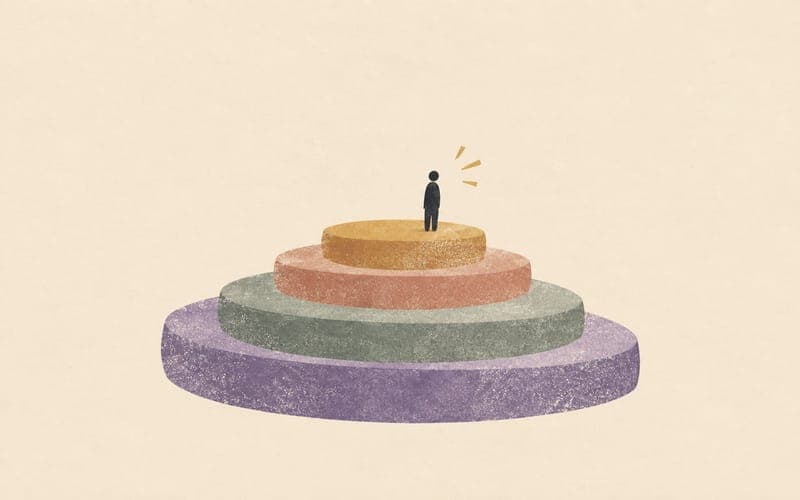
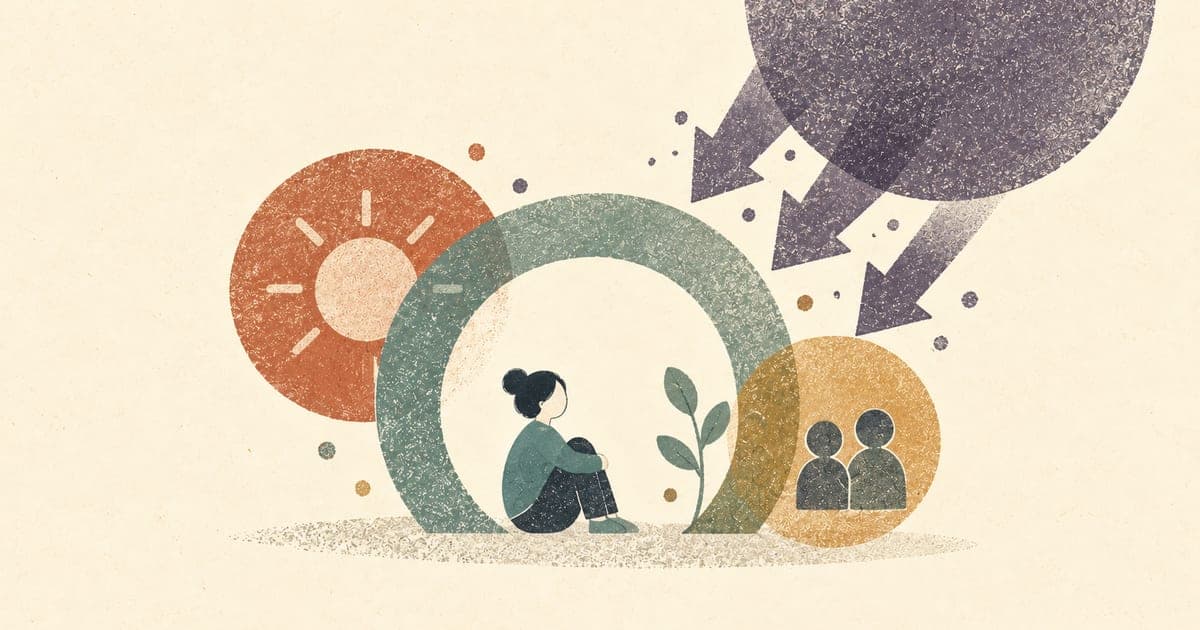
Maslow's hierarchy of needs is usually taught as a pyramid: physiological needs and safety at the base, then belonging, esteem, and self-actualisation higher up. Maslow originally proposed that some needs become more prominent once more basic needs are reasonably satisfied.
The model is not perfect, and it should not be treated as a rigid universal law. But as a clinical metaphor, it can help us understand burnout. Maslow is the metaphor. Mismatch is the mechanism. Burnout is the outcome.
Higher-level functioning, learning, flexibility, emotional regulation, executive functioning, social participation, creativity, and resilience, is harder to sustain when the foundations underneath it are unstable.
For many autistic people, those foundational needs are not reliably met.
The sensory environment may not be tolerable. The routine may not be predictable. Communication needs may not be accommodated. Masking may be required just to be treated as acceptable. Belonging may be conditional on hiding distress.
When the base is constantly shaking, it does not matter how intelligent, capable, or motivated someone is. Their system may spend most of its resources on survival and stabilisation, rather than growth, learning, or connection.
This reframes burnout. Autistic burnout is not evidence that someone lacks resilience, coping skills, or motivation. It may be evidence that their foundational needs, safety, predictability, sensory tolerability, rest, autonomy, and belonging, have been unmet for too long.
The person is not failing to self-actualise. Their environment may never have let them stabilise.
Autistic burnout does not always arrive suddenly. It can accumulate over months or years.
A person may keep meeting expectations externally while internally running on adrenaline, masking, scripting, avoidance, dissociation, perfectionism, people-pleasing, or sheer survival energy. From the outside, they may look high functioning. From the inside, their system may be exceeding capacity every day.
This is one reason autistic burnout can be missed. The person may not appear visibly distressed until they can no longer keep compensating.
By the time burnout becomes obvious, it is often not the beginning of the problem. It is the point where the system can no longer absorb the cost.
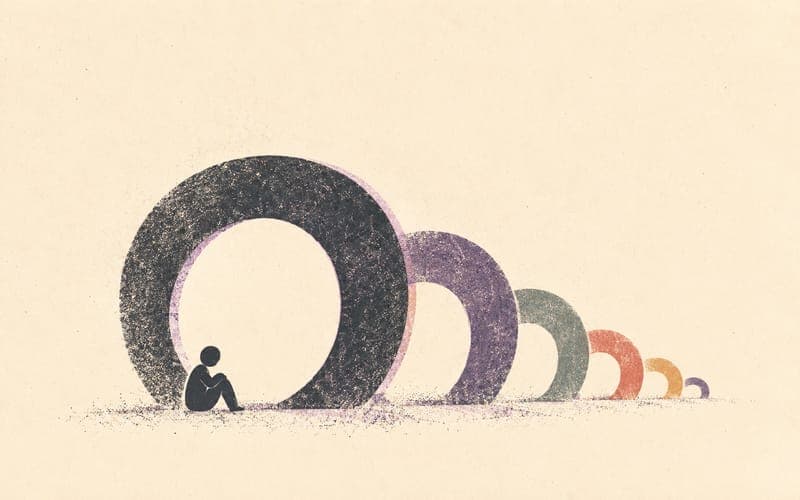
One way to understand autistic burnout is as capacity debt.
Every time a person pushes through sensory overload, masks distress, ignores pain, suppresses stimming, tolerates unclear expectations, or works against their own regulation needs, they may be borrowing capacity from the future.
Sometimes that borrowing is necessary. People often have to get through school, work, appointments, parenting, placement, or social obligations.
But if there is no genuine recovery afterwards, the debt accumulates. Eventually, the person is not just tired from the day. They are carrying months or years of unpaid recovery.
Burnout is what can happen when the nervous system can no longer keep lending energy it does not have.
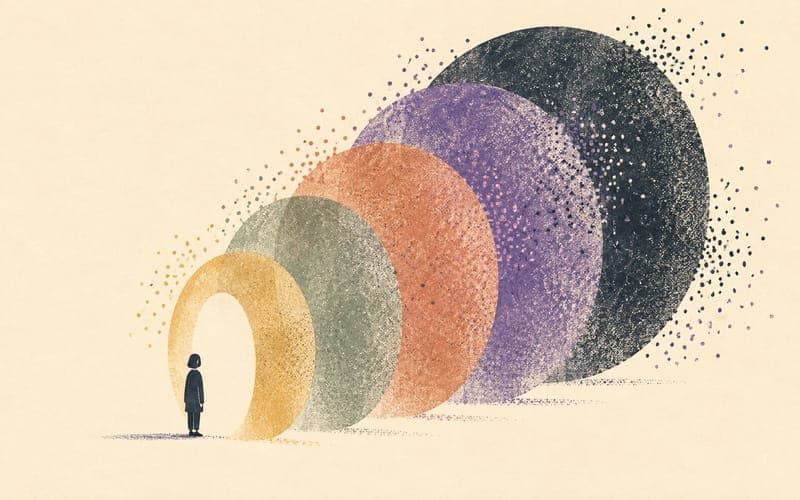
Many autistic people are not burnt out because they are inherently fragile. They are burnt out because they are living, working, studying, or socialising in environments that were not designed with their nervous system in mind.
This can include:
Sensory environments are not neutral. For some people, background noise is just background noise. For others, it is a constant demand on attention, regulation, and pain tolerance.
An autistic person may be spending a large amount of energy filtering sensory input before they even begin the task they are expected to complete.
So when someone says, I don't understand why they're so exhausted, part of the answer may be this: their baseline environment is already work.
Demands are not only tasks.
For many autistic people, demands can include transitions, interruptions, decisions, social expectations, sensory input, emotional labour, uncertainty, waiting, explaining needs, responding quickly, being watched, or having to perform competence.
This matters because a person's day may look reasonable on paper while being overwhelming in reality.
A school timetable may look manageable until you add noise, lighting, social navigation, executive functioning, transitions, masking, hunger cues, pain, and the effort of appearing okay.
A workplace role may look flexible until you add meetings, unclear priorities, unpredictable interruptions, invisible social rules, sensory strain, and pressure to respond immediately.
Burnout prevention requires looking at total demand load, not just the official workload.
Sensory needs are sometimes treated as preferences.
They just don't like noise.
They're being fussy about lights.
They need to get used to it.
But sensory overload is not the same as mild annoyance. For many autistic people, sensory input can become physically and cognitively overwhelming. It can affect concentration, emotional regulation, communication, pain, fatigue, and the ability to remain present.
When sensory needs are ignored, the person may appear more anxious, irritable, withdrawn, avoidant, oppositional, or inconsistent. But those behaviours may be downstream effects of overload.
This is especially important in schools and workplaces, where behaviour is often noticed before the environment is questioned.
A more useful question is not Why are they reacting like this?
It is: what is the sensory cost of this environment?
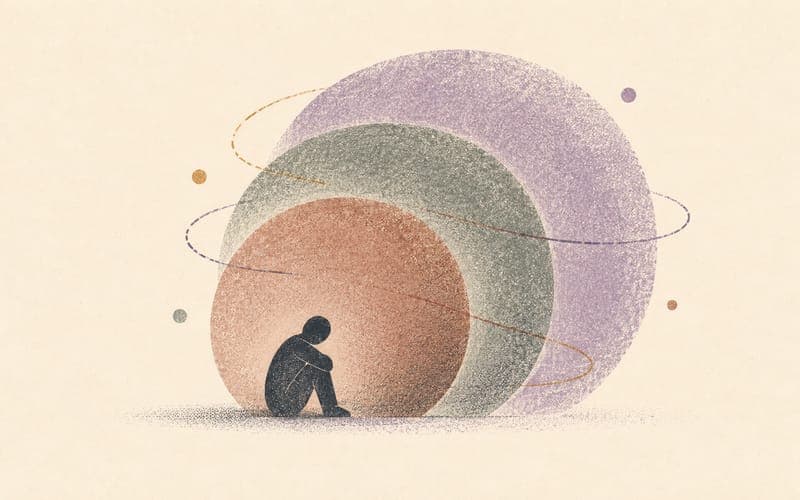
Autistic burnout is not only psychological. Physical health can play a major role in how much capacity someone has available.
Some autistic people also experience conditions such as Postural Orthostatic Tachycardia Syndrome, dysautonomia, chronic pain, gastrointestinal issues, migraine, chronic fatigue, hypermobility, or hypermobile Ehlers-Danlos Syndrome.
Research has found links between neurodivergence, joint hypermobility, dysautonomia, and pain. In one study, joint hypermobility partly mediated the relationship between neurodivergence and symptoms of dysautonomia and pain.
This does not mean every autistic person has POTS or hEDS, and it does not mean these conditions should be casually self-diagnosed. But it does mean clinicians, schools, workplaces, and families should be careful not to reduce burnout to stress management when the person's body may also be under significant physiological load.
The gut-brain axis guide looks more closely at how gastrointestinal symptoms, stress physiology, interoception, and physical capacity can interact without reducing autism or burnout to a gut problem.
For someone with POTS, standing, heat, dehydration, long commutes, and prolonged upright posture can be exhausting.
For someone with hEDS or hypermobility-related pain, sitting still in a chair all day may not be restful. It may be painful.
For someone with chronic fatigue or dysautonomia, just push through can worsen the crash.
When physical conditions are missed, the person may be labelled as unmotivated, avoidant, dramatic, inconsistent, or difficult.
A better frame is that capacity is not only mental. It is sensory, physical, emotional, cognitive, social, and relational.
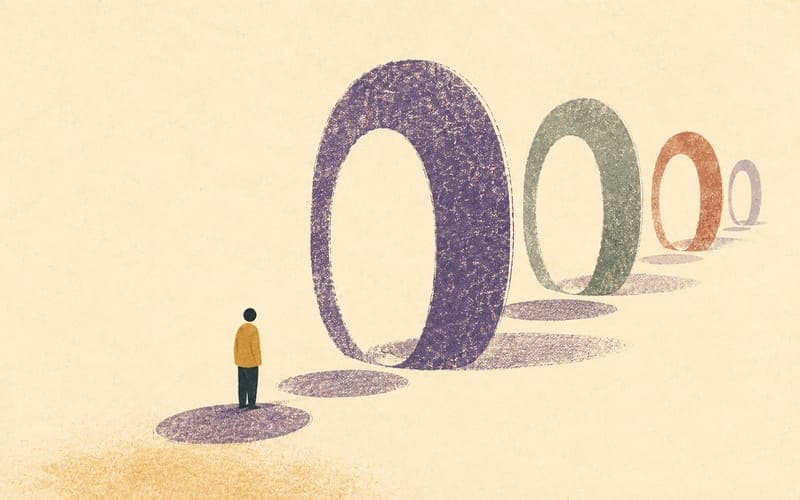
Burnout is not only caused by noise, workload, or sensory overload. Sometimes the mismatch is values-based.
For example:
For many autistic people, this kind of mismatch is not just frustrating. It can be deeply destabilising.
Autistic people are often described as rigid, but sometimes what is being called rigidity is actually a strong sensitivity to inconsistency, hypocrisy, unfairness, or unclear rules.
Being required to participate in systems that feel dishonest, performative, coercive, unfair, or misaligned can create a deep internal strain. Over time, this can become more than frustration. It can feel like a repeated pressure to betray one's own values in order to belong or survive.
That kind of mismatch can be exhausting. Not because the person is dramatic. Because integrity also costs energy when the environment keeps asking someone to override it.
For a wider systems lens on why workplaces, families, and training environments may punish difference or boundary-setting, read When Systems Cannot Tolerate Difference.
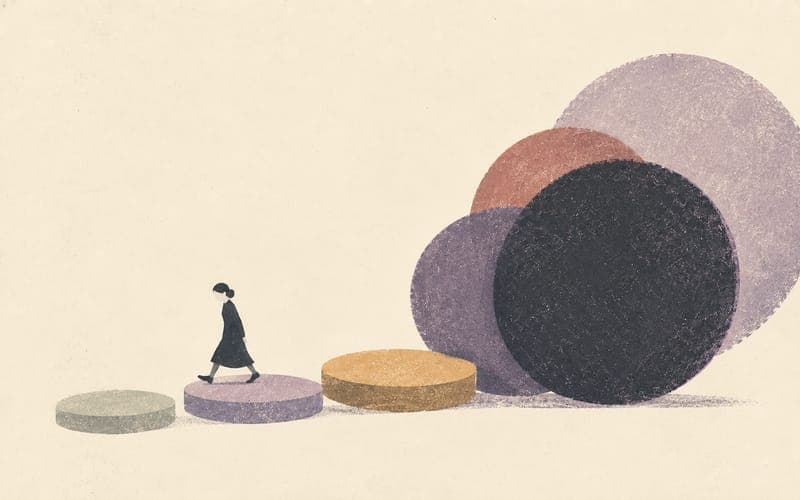
Masking can be useful in some contexts. It can help with safety, employment, social navigation, and reducing immediate conflict.
But chronic masking has a cost.
Masking is also measurable. The CAT-Q was developed and validated to quantify autistic camouflaging traits, which helps move masking from metaphor to an identifiable behavioural pattern in research and clinical conversations.
Masking may involve suppressing stims, forcing eye contact, scripting conversation, hiding confusion, imitating social behaviour, concealing distress, overriding sensory needs, or performing emotional responses that feel expected rather than authentic.
The problem is not that autistic people sometimes adapt. Everyone adapts.
The problem is when adaptation becomes compulsory, constant, and unsupported, when belonging is only available on the condition that the person hides the traits that make them who they are.
When a person has to mask all day at school or work, they may have nothing left afterwards. They may collapse at home, lose speech, become irritable, avoid social contact, struggle with basic tasks, or need days to recover from what others consider a normal day.
This can lead to a painful misunderstanding. The world sees the performance. The person lives with the recovery cost.
The stakes are not trivial. In autistic adults, camouflaging and unmet support needs have been identified as unique predictors of suicidality, which supports treating chronic masking as a serious risk signal rather than a personality quirk.
Autistic burnout can look like depression from the outside: withdrawal, low energy, reduced motivation, difficulty completing tasks, emotional flatness, and loss of interest in usual activities.
But the underlying mechanism may be different.
Depression is often understood through changes in mood, pleasure, hopelessness, self-worth, and cognition. Autistic burnout is often more closely linked to chronic overload, masking, sensory demands, environmental mismatch, and loss of functional capacity.
Recent psychometric work directly compared autistic burnout measures with the Copenhagen Burnout Inventory and depression measures in autistic adults, and found burnout is related to but distinguishable from depression.
The two can overlap. Burnout can contribute to depression, and depression can make burnout harder to recover from.
But treating autistic burnout only as depression can miss the point. If the person's environment, sensory load, masking demands, health needs, and recovery time do not change, then therapy aimed only at thoughts, motivation, or behavioural activation may not be enough.
Sometimes the intervention is not to push for more activity. Sometimes the intervention is to reduce the load that made activity impossible in the first place.
The companion guide on autistic burnout and demand avoidance applies this distinction specifically to PDA-style presentations, shutdown, and recovery.
Autistic burnout can be misunderstood because the visible signs are often interpreted through a behavioural lens.
Withdrawal may be misread as rudeness. Reduced speech may be misread as defiance. Avoidance may be misread as laziness. Irritability may be misread as attitude. Missed deadlines may be misread as not caring. Less eye contact may be misread as disengagement. Needing sameness may be misread as control. Cancelling plans may be misread as selfishness.
But these may be signs of a system that has exceeded capacity.
The question should not only be, What behaviour are we seeing?
It should also be, what load is this behaviour responding to?
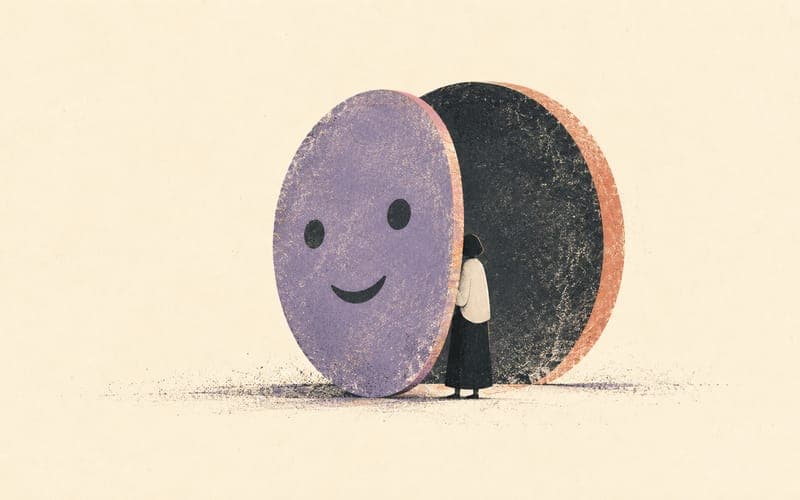
Autistic burnout often affects people who have been described as capable, bright, articulate, gifted, independent, or high functioning.
These labels can make support harder to access. If someone can speak well, write well, work, study, parent, or perform competently in some areas, people may assume they do not need support in others. But visible competence is not the same as stable capacity.
Functioning is not a fixed trait. It fluctuates depending on environment, health, sensory load, predictability, support, sleep, trauma, task demands, and social expectations.
A person can be highly skilled and still be disabled. They can be articulate and still be overwhelmed. They can succeed academically and still be burning out. They can appear calm and still be in shutdown. They can meet deadlines and still be destroying their health to do it.
For some people, that coexistence of high ability and disability is understood through the lens of twice-exceptionality. The concepts can overlap, but neither one should be used as a shortcut for the other.
Burnout often becomes more likely when competence is mistaken for unlimited capacity.
In school settings, autistic burnout may be misread as school refusal, non-compliance, lack of motivation, or behavioural difficulty.
That framing matters because school refusal behaviour appears substantially higher in autistic students. One study reported school refusal behaviour in about 42.6% of autistic students versus 7.1% of typically developing peers over a 20-day observation period.
But a child or young person may not be refusing school in the simple sense. They may be unable to keep entering an environment that overwhelms their sensory system, social capacity, executive functioning, autonomy, and sense of safety.
The problem may not be school itself, but the conditions attached to school: noise, uniforms, transitions, bullying, unpredictable teachers, crowded corridors, vague instructions, constant social comparison, performance pressure, or the need to mask distress all day.
When school attendance becomes the only goal, the underlying mismatch can be missed.
A better question is this: what would need to change for this young person's nervous system to experience school as safer and more sustainable?
In workplaces, autistic burnout may show up as missed deadlines, reduced communication, more sick days, difficulty prioritising, irritability, withdrawal, or reduced tolerance for meetings.
Too often, these signs are treated as performance problems before they are understood as capacity signals.
A person may not need a performance improvement plan. They may need clearer priorities, fewer interruptions, written instructions, sensory adjustments, flexible hours, reduced meeting load, recovery time after high-demand periods, or a manager who does not mistake direct communication for disrespect.
Workplace inclusion is not just hiring autistic people. It is creating conditions where autistic people do not have to burn out to remain employed.
Self-care can help, but autistic burnout is not solved by bubble baths, mindfulness apps, or telling people to be more resilient. Resilience is hard to sustain on a base that is still unstable.
Burnout prevention often requires environmental change, not individual willpower.
The goal is not to remove all challenge. Autistic people can do hard things when the base underneath them is solid.
The goal is to stop confusing unnecessary suffering with growth.
Autistic burnout support usually needs to be practical, environmental, relational, and physical, not just motivational.
Sensory support: quieter spaces, lighting changes, headphones, predictable seating, reduced scent exposure, movement breaks.
Communication support: written instructions, clear expectations, direct language, processing time, reduced pressure for immediate responses.
Demand support: fewer unnecessary meetings, reduced transitions, flexible deadlines, protected recovery time, pacing after high-demand periods.
Autonomy support: choice, collaboration, consent-based planning, avoiding unnecessary power struggles.
Relational support: being believed, not shamed, not treated as manipulative, and not forced to prove distress in neurotypical ways.
Physical health support: assessment and accommodations for pain, fatigue, dysautonomia, gastrointestinal issues, migraine, hypermobility, POTS, or hEDS where relevant.
Values support: environments where inclusion, safety, and flexibility are lived practices, not just statements on a website.
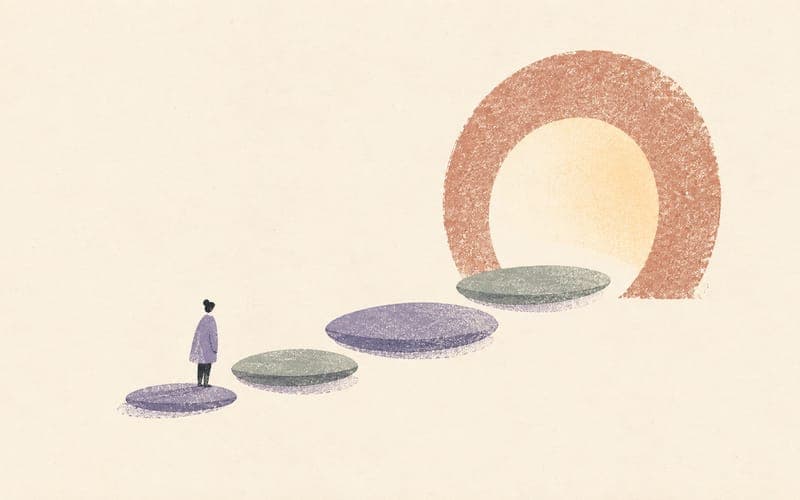
When someone is already in autistic burnout, the first response should usually not be to add more demands.
This is where many systems get it wrong. They respond to burnout with more forms, more meetings, more performance plans, more attendance pressure, more therapy homework, more explanations, more self-monitoring, and more pressure to get back to normal.
Burnout recovery often requires the opposite: reduced load, more predictability, more sensory safety, more autonomy, more recovery time, more practical support, less masking, less shame, less pressure to prove distress in neurotypical ways.
For some people, recovery may also require medical assessment for co-occurring physical conditions, especially where fatigue, dizziness, faintness, pain, gastrointestinal issues, heat intolerance, or post-exertional crashes are part of the picture.
Recovery is not about pushing someone back into functioning through willpower. It is about rebuilding enough safety, stability, and fit that the person no longer has to spend everything just to stay upright.
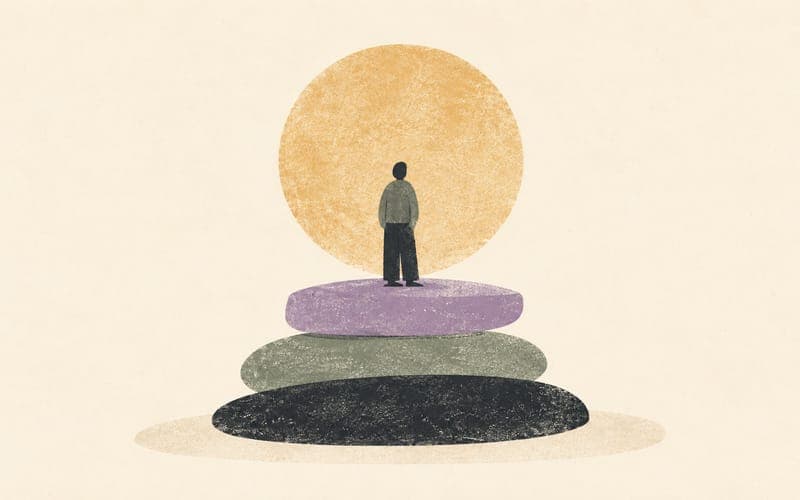
Autistic burnout is not a personal weakness.
It is often a sign that the person's foundational needs, safety, predictability, sensory tolerability, rest, autonomy, and belonging, have gone unmet for too long, in an environment that has not adjusted enough.
The key question is not How do we make this autistic person more resilient?
It is: what needs to change so this person is not required to survive by constantly overriding their own nervous system?
Autistic burnout asks us to look beyond the individual and examine the fit.
The lighting. The noise. The pace. The expectations. The masking. The health load. The values mismatch. The lack of recovery. The conditional belonging.
Because when a person burns out from constantly overriding themselves, the answer is not simply to teach them to override themselves more efficiently.
The answer is to ask what made overriding necessary in the first place.
If you are looking for practical, clinician-ready tools that reduce load instead of adding pressure, explore the neurodiversity-friendly resources on PsychVault.
Language note: this article uses identity-first language (autistic person) because many autistic people prefer it. Person-first language is also valid when it reflects the individual's preference.
References
Share your thoughts and experiences with this resource.
Sign in to leave a comment
Continue with the complete neurodiversity-affirming practice collection.
Find templates, handouts, and clinical tools created for use in real psychology and allied health work.
A clinical guide to autistic burnout, PDA-profile demand avoidance, masking, shutdown, skill loss, recovery time, and why demand reduction is often treatment.
A neurodiversity-affirming pillar guide to PDA, demand avoidance, the theoretical pillars behind autistic experience, and what visible behaviour does and does not tell us.
Twice-exceptional people can have substantial strengths and genuine disabilities at the same time. Learn why 2e profiles are missed and what thoughtful assessment and support involve.