A practical Australian guide to gaming spending risks, including currency distancing, loot boxes, battle passes, skins, gifting, status pressure, and why modern games can feel more like platforms than toys.
Educational information, not individual clinical, legal or regulatory advice. No independent review is identified for this article. Editorial policy and corrections.
Many parents still ask whether a game is violent and stop there.
That question is no longer enough.
Modern online games often combine social life, spending, status, private contact, scarcity, and persuasive design. The risk is not just what is on the screen. It is how the whole system shapes behaviour.
This article is one branch of the larger Online Safety in Australia pillar guide. The focus here is gaming-specific risk: microtransactions, loot boxes, battle passes, skins, gifting pressure, and why some games function more like ecosystems than hobbies.
Microtransactions are in-game purchases for things like:
Each purchase may look minor. The behavioural effect often is not.
Small purchases repeated under social or emotional pressure can accumulate into large spending quickly, especially when children are not yet fluent in how deliberately these systems are designed.
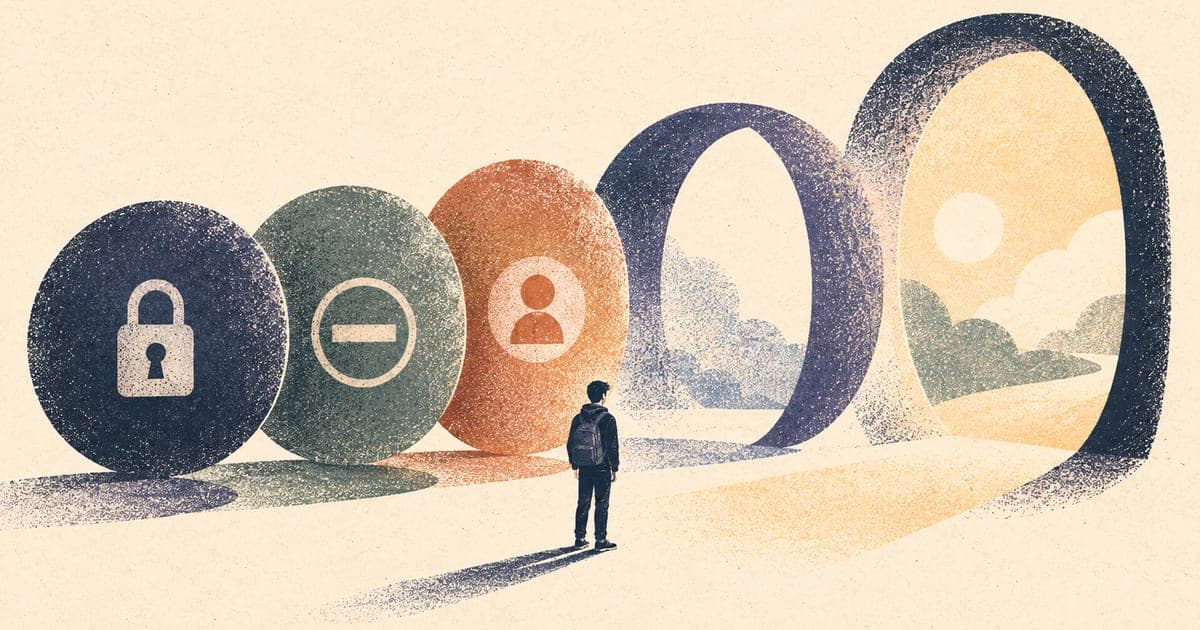
Currency distancing is one of the most important concepts for parents to understand.
It happens when real money is turned into:
The psychological effect is simple: a child is no longer experiencing "I spent $14.99". They are experiencing "I used 1,200 coins".
That gap matters because it makes spending feel less concrete and less painful.
Loot boxes, crates, and bundles are random reward systems. The player pays without knowing exactly what they will get.
That uncertainty matters because it introduces gambling-like dynamics:
In Australia, changes to game classification rules have pushed these mechanics into a more serious category than the old "harmless extra" framing suggested. Parents do not need to become legal experts to take the broader signal seriously: chance-linked spending deserves more caution, not less.
Battle passes are not just purchases. They are behavioural systems.
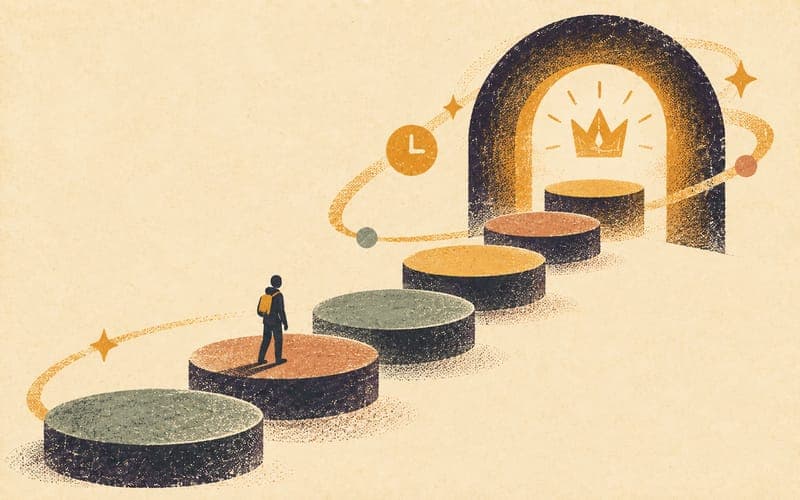
They usually combine:
Once a player has paid, they may feel they now have to keep logging in or the purchase will be wasted.
That means the product is not simply the item. The product is a pattern of continued engagement.
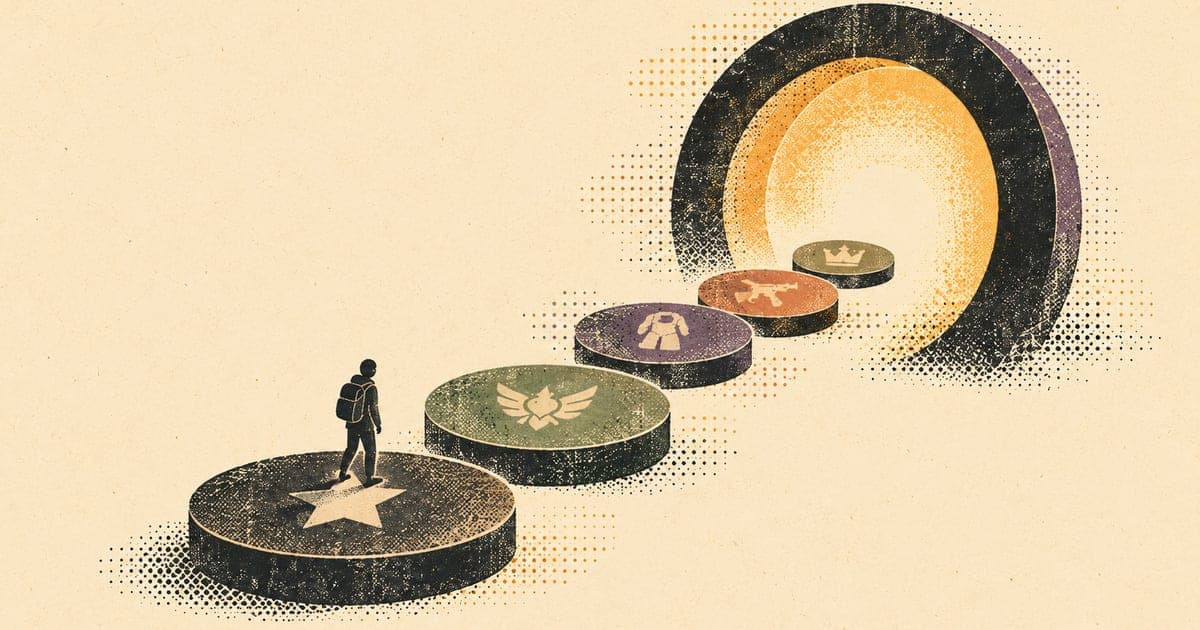
Parents sometimes hear "it's just cosmetic" and conclude the purchase is trivial.
Socially, cosmetics may function as:
In some peer groups, not having the right item can feel embarrassing even if the item does nothing mechanically in the game.
Games now often include:
That means a spending issue can become a peer-pressure issue, and a peer-pressure issue can become a contact-risk issue.
This is one reason families should think about games as mixed environments, not just isolated entertainment products.
Games can also be used deliberately as a clinical medium. The clinician's guide to video game therapy covers therapeutic intent, account boundaries, privacy, platform choice, and facilitation.
Instead of asking only "is this game age appropriate?", ask:
The most useful family protections are often:
If your concern is wider than spending and includes scams, hacked accounts, and fake giveaways tied to games, the next best guide is Phishing, Malware, and Hacked Accounts: Online Safety for Australian Families.
If your concern is more about the app ecosystem around games, messaging, and under-16 platform rules, read Australia's Under-16 Social Media Rules Explained.
Gaming is not the problem in itself.
The problem is that many modern games combine:
Once you see that clearly, it becomes easier to talk to children about games without either panicking or minimising what is happening.
Share your thoughts and experiences with this resource.
Sign in to leave a comment
Continue with the complete online safety in australia collection.
Find templates, handouts, and clinical tools created for use in real psychology and allied health work.
A practical Australian guide to AI companions, chatbots, privacy, deepfakes, emotional dependence, and the risks of using AI for support, advice, or therapy-adjacent care.
A practical Australian guide to the under-16 social media rules, what platforms are age-restricted, what children can still use, where parents get confused, and what schools and clinicians should say about it.
A practical Australian guide to parental controls, monitoring software, Screen Time, Family Link, console settings, purchase controls, and how to use oversight without turning family online safety into a secrecy war.