
PsychVault
HomeBrowseStoresBlogSell
AboutContactFAQFeedbackCareersTemplatesToolsCategories
PsychVault

Discover and sell psychology resources that save time in real clinical work.

hello@psychvault.com.au
FacebookInstagramTikTokLinkedInYouTubePinterest

Browse

All resourcesCreator storesBlogTemplatesToolsFree resourcesBest sellersTop rated

Creators

Sell on PsychVaultHow uploading worksStore setup checklist

Support

ContactFAQFeedbackCareersPrivacy policyTerms of serviceRefund policy

Acknowledgement of Country

PsychVault acknowledges Aboriginal and Torres Strait Islander peoples as the Traditional Custodians of Country across Australia. We pay respect to Elders past and present, and recognise the continuing cultural, spiritual, and physical connection First Nations peoples hold with lands, waters, and communities.

PsychVault aims to be inclusive of First Nations peoples, LGBTQIA+ communities, neurodivergent people, and the clinicians and clients who support them.

Australian Aboriginal Flag
Torres Strait Islander flag
LGBTQIA+ inclusive
∞Neurodiversity affirming

Made in Australia for Australian psychologists and allied health professionals.

Handcrafted resources by practising clinicians for your practice.

© 2026 PsychVault · RSS · Sitemap

AHPRAExternalAPS AlignedExternalAAPI MemberExternalFree Resources
Home/Blog/Can Psychologists Use AI Scribes? Ethics, Consent and Privacy in Australia
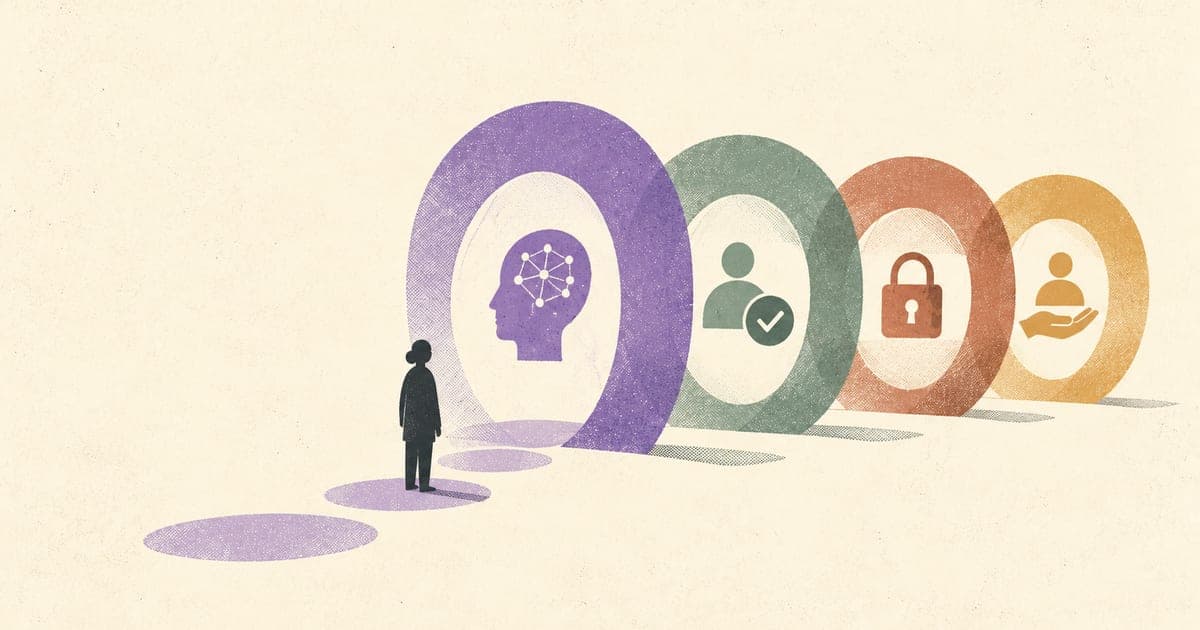
Psychologist reviewing AI-scribed clinical notes with consent, privacy, and accountability checkpoints
Clinical DocumentationAI scribesAhprapsychology ethics

Can Psychologists Use AI Scribes? Ethics, Consent and Privacy in Australia

Can psychologists use AI scribes in Australia? Learn what Ahpra requires around informed consent, privacy, accountability, clinical records, TGA regulation and human oversight.

By Ethan Smith6 August 202611 min read2292 words
Share

AI scribes are not banned for psychologists in Australia.

That is the easy part.

The harder part is that an AI scribe can turn one private therapy hour into an audio file, a transcript, a draft note, a vendor data flow, a consent issue, a clinical record problem, and potentially a medical device question. If you treat it as a harmless admin shortcut, you are already behind the risk.

Contents

  • The short answer
  • What Ahpra actually expects
  • What counts as an AI scribe
  • Accountability stays with the psychologist
  • Consent is more than a checkbox
  • Privacy risk sits in the data flow
  • When an AI scribe becomes a TGA issue
  • Higher-risk clinical contexts
  • A defensible workflow for practices
  • Bottom line
  • References

The short answer

Psychologists in Australia can use AI scribes if they can meet their professional, privacy, consent, record keeping, and legal obligations.

That "if" is doing a lot of work.

Ahpra's current AI guidance does not say psychologists must avoid AI. It says practitioners remain responsible for how they use it. The Psychology Board of Australia also directs psychologists to Ahpra's AI guidance when considering AI and technology in practice.

So the question is not:

"Can I use an AI scribe?"

The better question is:

"Can I explain exactly what this tool does, obtain meaningful consent, protect the client's information, review the output properly, and remain accountable for the final record?"

If the answer is no, the tool is not ready for clinical use in your practice.

A clinician weighing a glowing AI note draft against consent and privacy forms on a sparse desk
The issue is not whether AI is allowed. The issue is whether the workflow is defensible.

What Ahpra actually expects

Ahpra's AI guidance is built around five practical principles:

  1. 1Accountability
  2. 2Understanding
  3. 3Transparency
  4. 4Informed consent
  5. 5Ethical and legal issues

These are not decorative values. They create a working standard for whether AI use is clinically defensible.

For a psychologist, that means:

  • you remain responsible for clinical decisions and records
  • you need to understand the tool well enough to use it safely
  • clients should know when AI is part of their care
  • consent must be informed, voluntary, and specific enough to matter
  • privacy, confidentiality, data retention, and record keeping need to be handled before the tool enters the room

The Psychology Board's Code of conduct also matters. Since 1 December 2025, psychologists are regulated under the Psychology Board of Australia Code of conduct rather than the APS Code of Ethics as the Board's primary regulatory code. That code requires good care, clear communication, privacy, confidentiality, culturally safe practice, accurate records, and appropriate use of technology.

AI does not sit outside those duties. It sits inside them.

If an AI scribe produces a note that misses a suicide risk disclosure, attributes a statement to the wrong person, invents a diagnosis, or stores sensitive information somewhere the client did not agree to, "the software did it" is not a defence. It is an explanation of the failure.

What counts as an AI scribe

"AI scribe" is not one thing.

Some tools are essentially transcription products. They record or listen to an appointment and produce a transcript or summary. Others do more:

  • identify themes
  • extract symptoms
  • summarise interventions
  • draft progress notes
  • draft referral letters
  • suggest diagnoses
  • suggest treatment plans
  • flag risk
  • populate fields in a practice management system

Those functions do not carry the same risk.

A tool that only converts speech into text has one profile. A tool that analyses a therapy session and suggests a diagnosis has another. A tool that stores audio overseas and uses content to train future models has another again.

Clinicians often talk about AI scribes as if they are a single admin product. Regulators do not need to treat them that way, and neither should you.

A branching map of AI scribe functions moving from transcription to clinical analysis
Different scribe functions create different clinical, privacy, and regulatory risks.

Before adopting a tool, ask what it actually does at each point in the workflow:

  • Does it record audio?
  • Does it create a verbatim transcript?
  • Does it produce a summary only?
  • Does it identify risk, symptoms, or diagnoses?
  • Does it recommend interventions?
  • Does it store raw audio?
  • Does it keep transcripts after the note is generated?
  • Does it process data outside Australia?
  • Does it use client data to train or improve models?
  • Does it integrate with your clinical record system?

If the vendor cannot answer those questions in plain language, that is not a small procurement problem. It is a clinical governance problem.

Accountability stays with the psychologist

AI-generated notes are drafts.

Not "mostly done" records. Not neutral summaries. Drafts.

The psychologist must review and correct the final record before relying on it. That review needs to cover more than typos.

Check for:

  • missing risk information
  • invented facts
  • incorrect dates, names, or relationships
  • wrong speaker attribution
  • overconfident clinical language
  • diagnostic claims that were not assessed
  • treatment plans you did not agree with
  • culturally unsafe or deficit-based wording
  • excessive detail that should not be in the record
  • third-party information that should be minimised

Ahpra's AI scribing case material specifically warns that AI tools can add diagnoses, omit clinically important information, or produce output that sounds confident but is inaccurate.

That matters because psychology notes are not ordinary admin files. They can shape continuity of care. They can be read in complaints. They can be requested in family law disputes. They can be subpoenaed. They can influence NDIS, insurance, or workplace decisions.

If you use AI to draft the record, your job is not to click approve faster. Your job is to make sure the record is clinically true, proportionate, and defensible.

For practical note-writing structure, pair this article with how to write psychology progress notes that are clear, fast, and defensible.
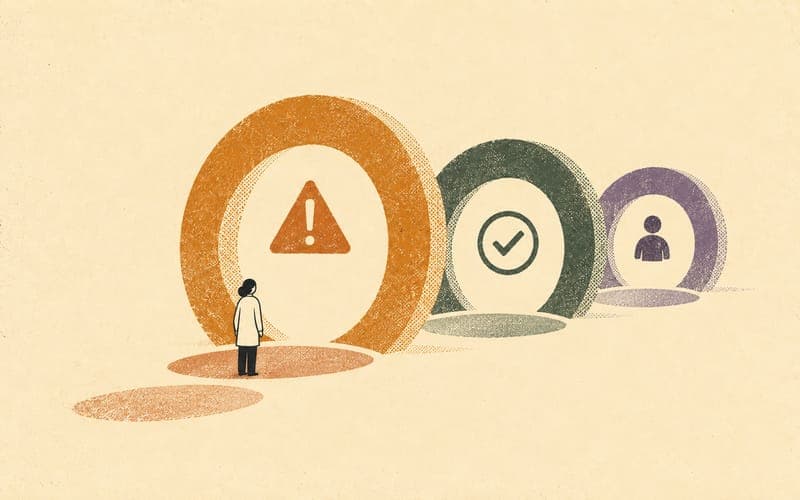
A clinician marking up an AI-generated session note with risk, accuracy, and scope checkpoints
The psychologist remains responsible for the final clinical record.

Consent is more than a checkbox

Consent is where many AI scribe workflows get sloppy.

If the tool records a session, you need consent before recording. Recording laws vary between Australian states and territories, so practices should check the law that applies in their jurisdiction. But the professional baseline is straightforward: do not record therapy without explicit consent.

Consent should not be buried inside a long intake form and treated as permanently solved.

Clients should understand:

  • that AI will be used
  • whether the session is recorded
  • whether audio is stored
  • whether a transcript is created
  • whether the transcript is kept or deleted
  • where the data is processed
  • who can access it
  • whether it is used for model training
  • whether the final note becomes part of the clinical record
  • what happens if the client declines

A good consent conversation separates several choices that are often bundled together:

  • consent to record the session
  • consent to send audio or text to a third-party provider
  • consent to generate a transcript
  • consent to generate a summary or draft note
  • consent to store any output in the health record
  • consent to overseas processing or storage if applicable
  • consent to any use of data for product improvement or model training

Those are different things.

A client might accept an AI-generated summary but refuse audio storage. A trauma client might refuse any recording at all. A young person might be unable to give meaningful consent without appropriate parent or guardian involvement. A separated parent might consent for themselves but not for information about the other parent to be recorded in an unmanaged transcript.

The client also needs a real option to decline. If the only alternative is "no appointment", consent starts looking less voluntary.
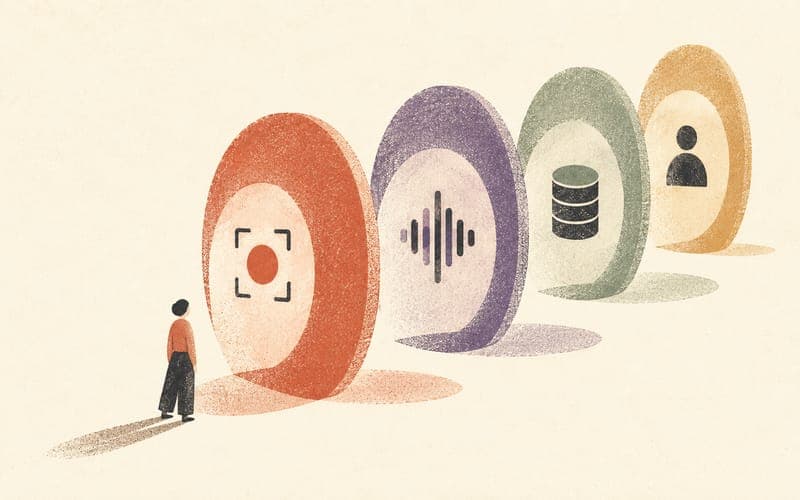
A consent conversation with separate cards for recording, transcript, storage, and human review
Consent should separate the major choices rather than collapse them into one vague checkbox.

Privacy risk sits in the data flow

Health information is sensitive information under the Privacy Act.

That means an AI scribe workflow is not just a note-taking workflow. It is a health information handling workflow.

The risk is often in the steps clinicians do not see:

  • audio capture
  • live processing
  • cloud storage
  • temporary caching
  • transcript generation
  • third-party access
  • overseas disclosure
  • retention periods
  • integration with your practice system
  • deletion processes
  • model training or product improvement

Privacy due diligence needs to happen before clinical use.

Ask the vendor for clear answers:

  • What information is collected?
  • Where is it stored?
  • Is data processed or stored outside Australia?
  • Is client data used to train models?
  • Can model training be disabled?
  • How long are audio and transcripts retained?
  • Can the practice delete raw audio and transcripts?
  • Who has access to the data?
  • What subcontractors are involved?
  • What happens if there is a data breach?
  • Does the vendor sign appropriate data processing terms?
  • Does the tool support your practice's privacy policy and consent process?

Data minimisation is also a clinical skill here. A full transcript can contain more sensitive information than the final note should ever hold: names of family members, allegations, sexual history, immigration details, workplace conflicts, details about children, and information about people who never consented to anything.

If raw transcripts and audio are retained, they may become discoverable, requestable, or relevant in complaints and legal disputes. That does not mean they can never be retained. It means retention needs to be deliberate, justified, disclosed, and governed.

General-purpose AI creates a related risk. If a psychologist copies session details into a general chatbot to "clean up" notes, that may still disclose client information to a third party. Removing the client's name is not always enough. Context can be identifying.

For technology-adjacent care risks beyond clinician documentation, see AI safety for young people, families, and clinicians in Australia.
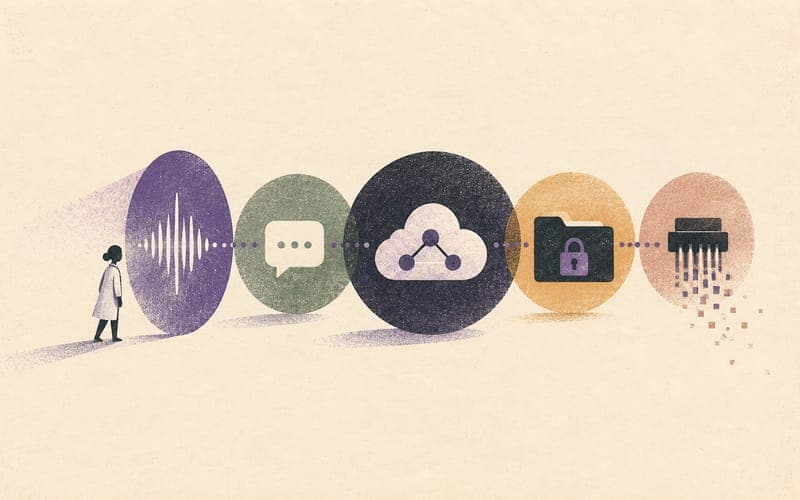
A sparse data-flow diagram showing audio, transcript, cloud vendor, practice record, and deletion checkpoints
Privacy risk often lives in the data flow clinicians do not see.

When an AI scribe becomes a TGA issue

Not every AI scribe is a medical device.

The Therapeutic Goods Administration draws an important distinction. Software that only transcribes or translates a clinical consultation is generally different from software that analyses or interprets health information and produces diagnosis, differential diagnosis, treatment recommendations, or other clinical outputs.

That line matters.

If a tool only creates a transcript for the clinician to review, it may sit outside medical device regulation. If it starts making clinical recommendations, interpreting symptoms, or generating diagnostic suggestions, it may fall into medical device territory and may need to be included in the Australian Register of Therapeutic Goods unless an exemption or exclusion applies.

Do not rely on marketing language.

Ask:

  • Does the vendor claim the tool improves diagnosis or treatment?
  • Does it generate differential diagnoses?
  • Does it suggest treatment options?
  • Does it flag risk or clinical urgency?
  • Does it make recommendations that a clinician might rely on?
  • Does the vendor say whether it is a medical device?
  • If it is a medical device, what is its ARTG status?

TGA has also been consulting on digital scribes. That area is still moving, so practices should keep a review date in their governance process rather than treating today's vendor answer as permanent.
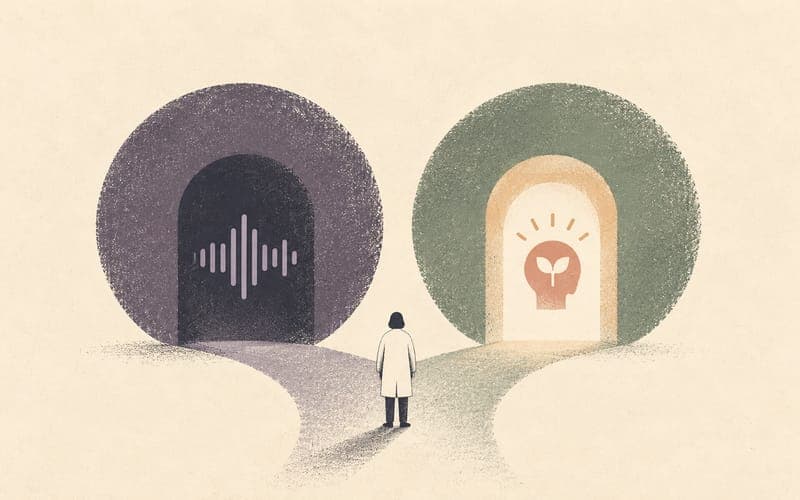
A clinician standing between a transcription-only lane and a clinical recommendation lane
A transcription tool and a clinical decision support tool are not the same regulatory problem.

Higher-risk clinical contexts

Some sessions are simply worse candidates for AI scribing.

Not because the client is difficult. Because the stakes, privacy exposure, and potential downstream consequences are higher.

Use extra caution with:

  • trauma, sexual assault, and family violence work
  • children and adolescents
  • separated families and parenting disputes
  • suicide risk and acute mental health crises
  • neurodivergent clients with sensory, communication, or processing differences
  • Aboriginal and Torres Strait Islander clients where cultural safety and data sovereignty concerns may arise
  • clients involved in legal, forensic, workplace, insurance, or medico-legal processes

In these settings, a transcript may capture details that are clinically sensitive, legally risky, culturally significant, or unsafe if mishandled.

This is also where power matters. A client may say yes because they do not want to disappoint the psychologist, look difficult, slow down the appointment, or lose access to care. That is not meaningful consent. That is compliance under pressure.

AI scribing may still be usable in some higher-risk contexts, but the threshold for consent, minimisation, and human review should be higher.
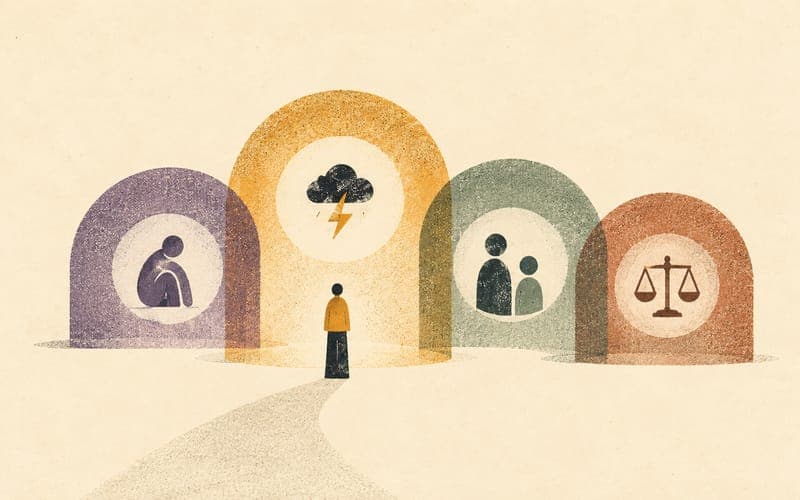
A clinical risk map with protected spaces for trauma, children, legal disputes, and acute risk
Some clinical contexts require a higher threshold before AI scribing is appropriate.

A defensible workflow for practices

If a practice wants to use AI scribes, build the workflow first.

Before adoption

Do the boring governance work. It is the work that protects you.

  • document the intended use of the tool
  • confirm whether the tool records, transcribes, summarises, analyses, or recommends
  • review vendor privacy, security, retention, deletion, and subcontractor terms
  • confirm whether data is processed or stored overseas
  • confirm whether client data is used for model training
  • consider whether the tool may be a medical device
  • update the practice privacy policy if needed
  • create a specific AI scribe consent script
  • train staff on when not to use the tool
  • test the tool with synthetic or dummy sessions before using client data
  • set review dates for vendor and regulatory changes

Before each session

Consent should be live enough to mean something.

  • explain what the tool does in plain language
  • explain what information is captured
  • explain the client's options
  • check whether the client is comfortable today
  • offer a non-AI alternative
  • document consent or refusal

During the session

Keep clinical control.

  • do not let the tool change the therapy rhythm
  • pause or disable the tool if sensitive material emerges
  • be transparent if the tool fails
  • avoid using AI output in real time as if it is clinical judgment

After the session

Treat the output as draft material.

  • review the transcript or summary promptly
  • correct inaccuracies
  • remove unnecessary detail
  • check risk documentation carefully
  • ensure the final note reflects your clinical reasoning
  • store only what is needed
  • delete raw audio or transcripts if your policy says they should not be retained
  • document any unusual issues, such as client withdrawal of consent or tool failure

This workflow is slower than pretending the tool is just a smart Dictaphone. It is also much easier to defend.
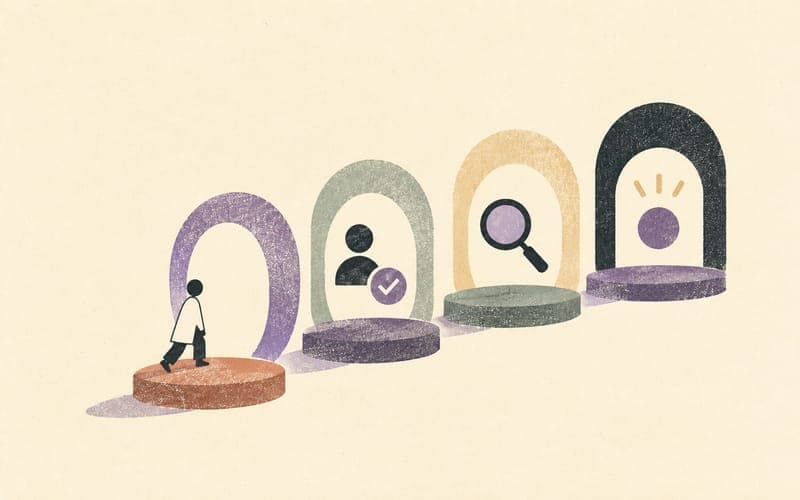
A four-step practice workflow for adoption, session consent, human review, and record finalisation
A safe AI scribe process is a practice workflow, not just a software subscription.

Bottom line

AI scribes may reduce documentation labour.

They do not reduce the standard of care.

For psychologists in Australia, the defensible position is simple: use AI only where you understand the tool, have meaningful client consent, can protect health information, can explain the data flow, can review the output properly, and can remain professionally accountable for the final record.

Convenience is a benefit. It is not the ethical test.

If you are building or reviewing your documentation systems, start with the parts humans still need to own: clear progress note structure, consent language, privacy practices, and clinical judgment. PsychVault's clinical documentation resources and resource creator tools are built around that same principle: reduce admin load without handing away responsibility.

Language note: This article uses "AI scribe" broadly because that is the term most clinicians use. In practice, tools vary widely. A transcription assistant, summarisation tool, and clinical decision support product can create very different legal, privacy, and regulatory risks.

References

  • Ahpra, Artificial intelligence in healthcare
  • Ahpra, Artificial intelligence in healthcare case studies
  • Psychology Board of Australia, codes, guidelines and policies
  • Psychology Board of Australia, Code of conduct
  • TGA, Digital scribes
  • TGA, Software and AI medical device compliance
  • TGA, Digital scribes stakeholder form
  • OAIC, APP 1, open and transparent management of personal information
  • OAIC, Guidance on privacy and commercially available AI products
  • OAIC, Transparency in automated decision-making
  • Digital Rights Watch, Guide for Using AI Scribes in the Medical Sector
  • Digital Rights Watch, AI Transcription in Healthcare

Discussion

Share your thoughts and experiences with this resource.

Sign in to leave a comment

Comments

Next step

Browse real clinician-designed resources

Move from strategy into implementation with templates, handouts, and psychoeducation tools already live on the marketplace.

For creators

Turn your own resources into a polished store

Publish clinician-grade templates, build trust signals, and start growing an evergreen library under your own brand.

Related reading

Keep the topic cluster growing

Calendar endpoint intersecting with an active therapy process, illustrating placement-driven endings
Provisional Psychology
25 July 2026 / 11 min read

When You're the One Who Leaves: Ending Therapy Because a Placement Ends

A practical guide for provisional psychologists on continuity of care when therapy ends because a placement ends, including handover, consent, timing, and documentation.


placementcontinuity of carehandover
By Ethan Smith
Read article
Abstract risograph illustration of overlapping circles suggesting intersecting professional roles and dual relationship complexity
Provisional Psychology
7 May 2026 / 12 min read

Dual Relationships in Psychology: What the Ethics Actually Say (and Why It's Not as Simple as 'Never Do It')

A practice-focused guide to dual relationships in psychology: what they are, why they matter, when they are manageable, and how Australian ethical frameworks expect psychologists to think about risk.

dual relationshipspsychology ethicsAPS code of ethics
By Ethan Smith
Read article
Psychology student looking at a branching training pathway map with current and proposed routes
Psychology Training
11 August 2026 / 9 min read

Australia's Proposed Single 5-Year Psychology Training Pathway, Explained

A plain-English guide to Australia's proposed single 5-year psychology pathway, what has changed, what has not, and what current students and provisional psychologists should do now.

psychology pathway5+1 pathwayAHPRA
By Ethan Smith
Read article
On this page
ContentsThe short answerWhat Ahpra actually expectsWhat counts as an AI scribeAccountability stays with the psychologistConsent is more than a checkboxPrivacy risk sits in the data flowWhen an AI scribe becomes a TGA issueHigher-risk clinical contextsA defensible workflow for practicesBefore adoptionBefore each sessionDuring the sessionAfter the sessionBottom lineReferences
Article details
Category: Clinical Documentation
Published: 6 August 2026
Reading time: 11 min
AI scribesAhprapsychology ethicsinformed consentprivacyclinical notesTGAdocumentation

Found this helpful?

Share