

ADHD, Autism, PMDD, and Beyond: Why Hormones Can Magnify Neurodivergence and Mental Health Challenges
A comprehensive, evidence-informed guide to why hormonal fluctuations can magnify ADHD, autism, PTSD, anxiety, depression, OCD, BPD, eating disorders, sensory overload, and cyclical capacity loss.
Educational information, not individual clinical, legal or regulatory advice. No independent review is identified for this article. Editorial policy and corrections.
One week you can manage your ADHD.
You can work, study, socialise, regulate your emotions, and use the coping strategies you've spent years building.
Then, seemingly overnight, everything changes.
Your stimulant medication feels weaker. Small frustrations become overwhelming. Sensory sensitivities intensify. Rejection feels unbearable. Tasks you completed easily last week now feel impossible. The mask you usually hold in place starts to slip.
Then your period starts, and within days, the fog begins to lift.
If this sounds familiar, you are not imagining it, and you are not alone.
What many people experience as a mysterious, monthly collapse in coping is increasingly understood as a complex interaction between hormonal fluctuations and a brain that was already working differently. Premenstrual Dysphoric Disorder (PMDD) rarely occurs in isolation. Research suggests it frequently co-occurs with ADHD, autism, anxiety disorders, depression, PTSD, OCD, eating disorders, and Borderline Personality Disorder, not by coincidence, but because the same hormonal shifts that drive PMDD directly affect the neurotransmitter and stress systems these conditions rely on.
This is a long-form, evidence-informed guide. It builds from the foundation upward: the ovarian hormones, the neurotransmitter systems they influence, the stress system they destabilise, and the way all of this interacts with neurodivergent and mental health presentations. It then covers what actually helps — lifestyle, psychological therapy, medication, hormonal options, and emerging neurosteroid treatments — and finishes with an honest look at the research that is still developing.
It is written for clinicians, allied health professionals, students, and the many neurodivergent people trying to understand their own experience. It is psychoeducation, not medical advice. If any of this is relevant to you personally, please work with your treating clinician, GP, or psychiatrist.
Jump to a section:
- What is PMDD?
- The hormonal foundation: estrogen, progesterone, allopregnanolone
- The menstrual cycle: what happens at each phase
- The neurotransmitter systems hormones influence
- BDNF, neuroplasticity, and cognitive resilience
- The mechanism: why normal hormones cause PMDD
- The stress system: the HPA axis, cortisol, and survival mode
- Immune signalling and neuroinflammation
- Histamine, mast cells, and PMDD
- The gut-brain axis and the enteric nervous system
- Sleep: the amplifier sitting underneath everything
- The capacity model: why everything falls apart at once
- ADHD and PMDD
- ADHD, PMDD, and rejection sensitive dysphoria
- Autism and PMDD
- Sensory processing and pain amplification
- Autism, PMDD, and burnout
- PMDD and BPD
- PTSD, complex PTSD, and the amplification of threat
- Anxiety and depression
- PMDD and suicidal thoughts
- OCD and eating disorders
- Why misdiagnosis happens so often
- Why clinicians should ask about the menstrual cycle
- Treatment and management
- Perimenopause and the longer hormonal arc
- Emerging and contested areas
- The cumulative weight: shame, self-concept, and the story people tell themselves
- A biopsychosocial synthesis
- References
What is PMDD?
Premenstrual Dysphoric Disorder is a severe cyclical condition linked to the menstrual cycle. It is classified in DSM-5-TR and affects an estimated 2–6% of menstruating individuals of reproductive age.
Unlike typical premenstrual symptoms, PMDD involves significant emotional, cognitive, and physical symptoms that emerge during the luteal phase (the roughly two weeks after ovulation) and typically improve within a few days of menstruation beginning. The core symptoms are mood-related: intense irritability, depressed mood, anxiety, emotional lability, and a marked reduction in interest in usual activities. Physical symptoms — fatigue, bloating, breast tenderness, sleep disturbance, appetite changes — are also common but are not the diagnostic centre.
The most important thing to understand: PMDD is not caused by abnormal hormone levels. Most individuals with PMDD have hormone levels within the normal range. What appears to differ is not how much hormone is produced, but how the brain responds to normal hormonal fluctuations. PMDD is best understood as a disorder of altered neuroactive steroid sensitivity: a brain that reacts differently to hormonal changes that other brains tolerate without significant mood disruption.
That distinction reframes PMDD from "a hormonal imbalance" to "a difference in how the central nervous system processes normal hormonal signals", which points toward entirely different treatment targets.
The hormonal foundation: estrogen, progesterone, allopregnanolone
Everything in this article flows from three hormones. Understanding what each one does in the brain is the foundation for understanding everything else.
Estrogen is not just a reproductive hormone. In the brain, it is broadly supportive of mood, cognition, and regulation. Estrogen increases dopamine and serotonin synthesis, enhances receptor availability, and limits neurotransmitter breakdown by inhibiting monoamine oxidase. It supports the production of brain-derived neurotrophic factor (BDNF), a protein involved in learning, neuroplasticity, and resilience. It influences executive functioning, emotional regulation, and cognitive performance. When estrogen is high, the brain tends to function with more cognitive and emotional resource. When estrogen falls, that support withdraws.
Progesterone has a more complex, sometimes paradoxical profile. Through its metabolites, progesterone is broadly associated with GABAergic (calming) activity, sedation, sleep, and emotional regulation. For many people, progesterone is soothing. For some — particularly those vulnerable to PMDD — the picture is different, and progesterone (or rather its metabolites and the brain's response to them) is associated with anxiety, irritability, and mood disturbance. The same hormone calms most brains and destabilises others, which is one of the central puzzles of PMDD.
Allopregnanolone (ALLO) deserves its own focus, because altered sensitivity to allopregnanolone is one of the leading mechanistic explanations for PMDD. ALLO is a neuroactive steroid produced as a metabolite of progesterone. It is one of the most potent natural modulators of the GABA-A receptor: the brain's primary inhibitory system. When ALLO binds to GABA-A receptors, it enhances their inhibitory function: the nervous system calms, anxiety decreases, mood stabilises. ALLO is, in effect, an anxiolytic and mood stabiliser the body produces itself. Its rise and fall across the menstrual cycle, and the brain's response to that fluctuation, is where the PMDD story centres.
The menstrual cycle: what happens at each phase
To understand how hormones interact with mental health, it helps to know what is actually happening biochemically across the cycle.
Menstrual phase (days 1–5 approximately). Estrogen and progesterone are both at their lowest. Menstruation is occurring. For many people with PMDD, this is paradoxically when symptoms improve: the luteal-phase hormonal shift has resolved, and the system stabilises at a low baseline.
Follicular phase (days 1–13 approximately). Estrogen rises steadily. As it rises, dopamine and serotonin activity tends to increase. For many people, this is the "good week": concentration improves, mood lifts, motivation returns. For ADHD individuals, this is often when stimulant medication feels most effective.
Ovulation (around day 14). Estrogen peaks. Testosterone briefly rises. This is often the highest-energy point in the cycle.
Luteal phase (days 15–28 approximately). Progesterone rises sharply, then drops before menstruation. Estrogen dips after ovulation, partially recovers, then falls again. Allopregnanolone follows progesterone: rising and then falling. The late luteal phase, roughly the five to seven days before menstruation, is where PMDD symptoms peak. Estrogen, progesterone, allopregnanolone, and serotonin activity are all declining. The neurochemical environment that supported mood, focus, and regulation for most of the cycle is withdrawing.
The neurotransmitter systems hormones influence
Hormones do not affect mood and cognition directly. They work through neurotransmitter systems. Understanding which systems are involved explains why PMDD interacts so powerfully with neurodevelopmental and mental health conditions because those conditions involve the same systems.
Dopamine governs motivation, reward, attention, and executive function. It is the system most central to ADHD. Estrogen supports dopamine synthesis and receptor availability; progesterone may reduce dopamine receptor sensitivity. When estrogen falls in the late luteal phase, dopamine support withdraws, and any condition that already involves dopamine dysregulation — ADHD most obviously — is affected.
Serotonin governs mood, anxiety, impulsivity, and emotional regulation. It is central to depression, anxiety, and OCD. Estrogen supports serotonin synthesis and availability. When estrogen falls, serotonin activity declines. This is also why SSRIs, which act on serotonin, are a first-line PMDD treatment.
GABA is the brain's primary inhibitory neurotransmitter. The system that calms, regulates, and dampens excess activity. Allopregnanolone enhances GABA-A receptor function. The PMDD mechanism centres on the GABA system's failure to adapt to fluctuating allopregnanolone.
Glutamate is the excitatory counterpart to GABA: the accelerator to GABA's brake. When GABA inhibition is reduced (as in the late luteal phase in PMDD), the relative balance shifts toward glutamatergic excitation. This excitation-inhibition imbalance is one way of understanding the sensory overload, emotional intensity, and agitation many people experience premenstrually.
Noradrenaline governs focus, vigilance, working memory, and arousal. It is the second key system (alongside dopamine) targeted by ADHD medications. Hormonal fluctuations that affect arousal and stress reactivity interact with noradrenergic function, contributing to the concentration and working-memory difficulties many people report in the late luteal phase.
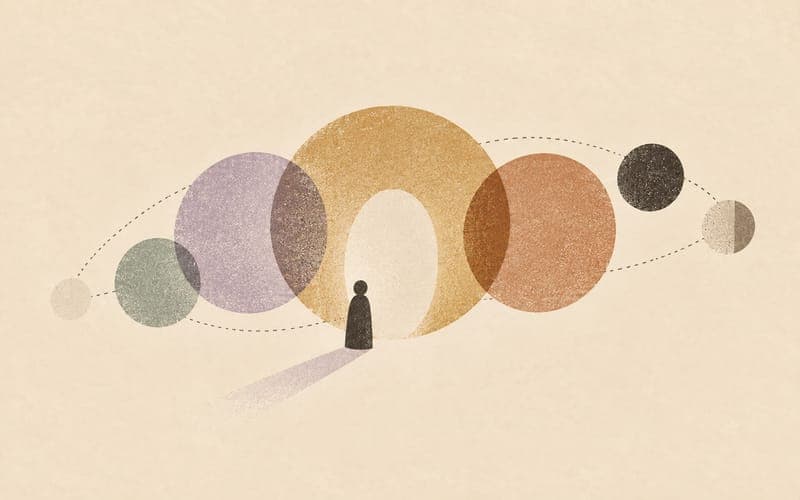
The central insight: estrogen and progesterone fluctuations ripple through dopamine, serotonin, GABA, glutamate, and noradrenaline simultaneously. For a brain already managing a difference in one or more of these systems, the late luteal phase represents a coordinated withdrawal of support across multiple systems at once.
BDNF, neuroplasticity, and cognitive resilience
Brain-derived neurotrophic factor, usually shortened to BDNF, is one of the quieter pieces of this picture. BDNF supports neuroplasticity, learning, memory, adaptation, and resilience to stress. Estrogen appears to support BDNF expression, which may be one reason higher-estrogen phases of the cycle can feel more cognitively flexible and emotionally buffered for some people.
This does not mean BDNF explains PMDD by itself. It is better understood as part of the broader support system estrogen provides. When estrogen falls, the brain may lose some of the neurochemical conditions that make adaptation easier. For someone already managing depression, trauma, ADHD, autistic burnout, or chronic stress, that reduction in adaptive capacity may matter.
A cautious way to say it is this: BDNF may help explain why hormonal changes affect not only mood, but also learning, memory, cognitive recovery, and the ability to adjust under pressure.
The mechanism: why normal hormones cause PMDD
This is the part that most PMDD articles leave out, and it is the part that makes the condition comprehensible.
During the mid-luteal phase, ALLO levels are high and the GABA-A system is well-supported. In the late luteal phase, progesterone falls and ALLO falls with it. In most people, the GABA-A receptors adjust. They upregulate their sensitivity, compensating for the reduced ALLO and maintaining stable inhibitory tone.
In PMDD, this adjustment does not happen properly. A 2025 study by Timby and colleagues published in Translational Psychiatry found that individuals with PMDD show lower expression of specific GABA-A receptor subunits (particularly the delta subunit) during the luteal phase, at the exact point when expression should be increasing.
The consequence is a loss of inhibitory tone at precisely the moment the brain needs it most. Neural excitability increases. The stress-response system becomes more reactive. The emotional brain becomes more active. The prefrontal regions that support regulation become less effective.
Gao and colleagues (2023) described the cascade: a rapid decrease in ALLO reduces GABA-A receptor sensitivity, reduces chloride influx, weakens the inhibitory effect of GABAergic neurons, and increases the excitability of downstream neurons: producing the mood, anxiety, and irritability symptoms characteristic of PMDD.
PMDD is now described in the research literature as "a disorder of suboptimal sensitivity to neuroactive steroid hormones." The hormones are normal. The receptor response is not. The brain is responding to a real signal, and the response is real.
The stress system: the HPA axis, cortisol, and survival mode
The hypothalamic-pituitary-adrenal (HPA) axis is the body's central stress-response system. It controls the release of cortisol, regulates arousal, and governs the fight-or-flight response. It deserves its own attention because it is where hormones, trauma, and neurodivergence intersect most powerfully.
In a well-regulated system, GABA-A inhibition helps keep the HPA axis in check. Allopregnanolone, by enhancing GABA-A function, contributes to this regulation. It helps the stress system stay calm. When ALLO falls in the late luteal phase and GABA-A inhibition weakens, the brake on the HPA axis loosens. The stress system becomes more reactive. Cortisol regulation is impaired. The threshold for threat detection drops.
The felt experience of this is what many people describe as "living in survival mode": a state of heightened arousal, hypervigilance, emotional reactivity, and physical tension, often accompanied by adrenaline-driven symptoms like racing heart, shakiness, and a sense of impending threat. For most of the cycle, the system holds. In the late luteal phase, the regulatory support withdraws and the stress system runs closer to the surface.
This matters enormously for trauma. PTSD and complex PTSD involve a sensitised, dysregulated stress system. Adding a hormonally driven reduction in HPA axis regulation on top of an already-sensitised system can push it past its threshold, which is why so many trauma survivors describe a predictable premenstrual worsening of hyperarousal, flashbacks, and dissociation. It also matters for autism and ADHD, both of which are associated with atypical autonomic and stress-system regulation. The hormonal shift does not create the underlying difference. It reduces the system's capacity to compensate for it.
Immune signalling and neuroinflammation
Researchers are increasingly exploring whether immune signalling contributes to symptom severity in some individuals with PMDD. This is still an emerging area, but it matters because immune changes can affect exactly the symptoms many people describe: fatigue, brain fog, pain sensitivity, low motivation, sleep disruption, and the heavy, flu-like feeling that can arrive before menstruation.
Inflammatory cytokines such as IL-6 and TNF-alpha, and broader markers such as CRP, are often discussed in this context. These signals can influence the brain and body in ways sometimes described as sickness behaviour: withdrawal, low energy, reduced appetite or altered appetite, body aches, cognitive slowing, and reduced social tolerance. For some people, the late luteal phase does not feel only emotional. It feels inflammatory, physical, and whole-body.
The evidence is not strong enough to say that inflammation causes PMDD. A more responsible formulation is that inflammatory signalling may be one contributor in a subset of people, especially where pain conditions, migraine, autoimmune vulnerability, endometriosis, IBS, trauma, chronic stress, or sleep deprivation are also present.
Histamine, mast cells, and PMDD
Histamine has become one of the most searched and most overclaimed topics in PMDD conversations. The basic idea is plausible enough to discuss carefully. Estrogen can influence mast cell activity and histamine release, and histamine may interact with estrogen signalling. Histamine is also not just an allergy chemical. It is involved in arousal, wakefulness, inflammation, migraine, flushing, itch, gut motility, and anxiety-like activation.
That creates a possible feedback loop for some people: hormonal shifts may increase histamine activity, histamine may increase physical arousal or inflammatory symptoms, and the result may feel like anxiety, insomnia, sensory sensitivity, migraine, flushing, nausea, or a body that cannot settle.
But plausibility is not proof. At present, there is no robust clinical evidence that antihistamines treat PMDD itself. Some individuals may have histamine intolerance, mast cell activation, migraine, allergy, or inflammatory conditions that worsen premenstrually, and those deserve proper medical assessment. That is different from saying PMDD is a histamine disorder.
The useful clinical stance is curious but cautious: ask about flushing, migraine, itch, hives, allergy symptoms, food reactions, gut symptoms, and sleep changes, but do not turn social-media histamine advice into a substitute for evidence-based PMDD care.
The gut-brain axis and the enteric nervous system
For a fuller clinician-focused explanation of these pathways, including the limits of microbiome claims, see As Above, So Below: The Gut-Brain Axis.
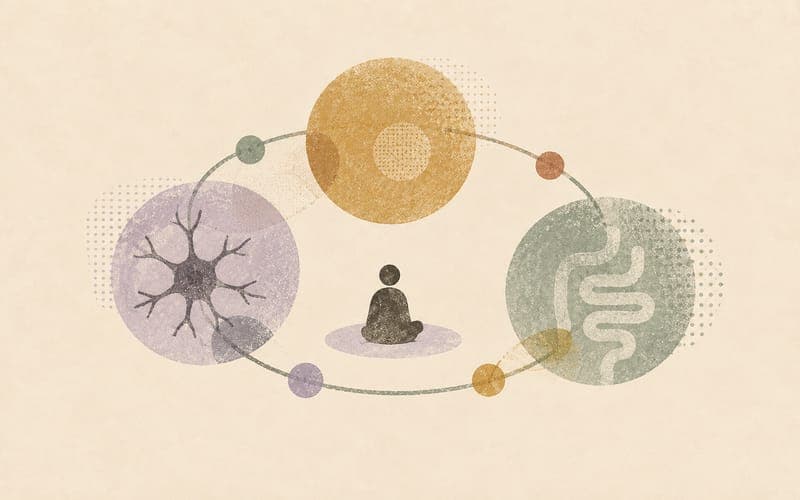
Many people notice gastrointestinal symptoms before they identify mood symptoms: nausea, bloating, constipation, diarrhoea, reflux, appetite changes, food aversions, or IBS-like flares. That is not surprising. The gut has its own dense nervous system, the enteric nervous system, and it communicates bidirectionally with the brain through immune, hormonal, microbial, and vagal pathways.
Serotonin is especially relevant here because much of the body's serotonin is produced in the gut, where it affects motility and sensation. Hormonal changes can alter gut motility, visceral sensitivity, fluid balance, appetite, and nausea. Stress-system activation can also shift digestion, because the body deprioritises digestion when it reads the environment as threatening.
The microbiome is a genuine research frontier, but PMDD-specific microbiome evidence remains early. It is reasonable to say that gut-brain signalling may amplify symptoms in some people. It is not yet reasonable to claim that probiotics, gut protocols, or restrictive diets are established PMDD treatments. This distinction matters, especially for people with eating disorders, ARFID, sensory food sensitivities, or a history of being given simplistic dietary advice for complex neurobiological symptoms.
Sleep: the amplifier sitting underneath everything
Sleep is often treated as a secondary symptom of PMDD: something that happens because of the mood and physical symptoms. The mechanism is closer to the opposite. Sleep disruption is one of the central pathways through which hormonal fluctuations amplify everything else.
Hormonal shifts affect sleep architecture directly. Progesterone has sedative effects (through its allopregnanolone metabolite), and the rapid drop in progesterone in the late luteal phase can fragment sleep, reduce slow-wave sleep, and alter REM patterns. Body temperature rises in the luteal phase, which itself disrupts sleep onset and quality. For many people with PMDD, premenstrual insomnia, vivid dreams, and early-morning waking are some of the earliest signs that the luteal phase has begun.
Then the loop closes. Poor sleep reduces dopamine availability, impairs emotional regulation, degrades executive function, lowers sensory tolerance, and increases stress reactivity, which is to say, sleep loss directly degrades every system that PMDD is already destabilising. A person who would have struggled premenstrually with adequate sleep may struggle severely without it.
This matters for two reasons. Clinically, it means sleep is one of the highest-leverage targets for intervention: protecting sleep through the luteal phase can reduce the depth of the symptom drop more than almost any other lifestyle factor. Diagnostically, it means a "PMDD presentation" that has been compounded by chronic sleep deprivation can look much more severe than it is, and addressing the sleep layer can clarify what is hormonal and what is sleep-driven.
If everything seems to fall apart in the late luteal phase, sleep is often quietly underneath it.
The capacity model: why everything falls apart at once
This is the concept that makes the entire post intuitive.
Imagine everyday life requires 80 units of cognitive and emotional energy. Waking up, getting dressed, managing communication, navigating social expectations, filtering sensory input, regulating emotions, sustaining attention, making decisions, holding routines.
A neurotypical person may wake up with 120 units available. There is margin. Unexpected demands, bad days, and additional stressors can be absorbed without system collapse.
A neurodivergent person managing ADHD, autism, trauma, or chronic mental health difficulties may wake up with 90 units available. Everything works, but the margin is thinner. There is less room for error, less tolerance for unexpected demand, less surplus for recovery.
During the late luteal phase, dopamine support decreases, serotonin support decreases, GABA regulation decreases, and the stress system becomes more reactive. Suddenly available capacity drops further: perhaps from 90 units to 65.
The demands of life remain unchanged. But the resources available to meet those demands have shrunk.
What looks like laziness, emotional instability, inconsistency, or poor coping may actually be a temporary mismatch between demands and available capacity. The person has not changed. The neurochemical support for their functioning has temporarily withdrawn.
This model explains why neurodivergent individuals are disproportionately affected by PMDD. They were already operating closer to the edge of their capacity. The hormonal shift does not need to be large to push them over it. It also explains the relief that comes with menstruation: the hormonal floor restores, capacity returns, and the person "comes back." They were always there. The resources to function were temporarily unavailable.

ADHD and PMDD
The co-occurrence of ADHD and PMDD is not a coincidence. It is a neurochemical intersection.
ADHD is fundamentally linked to differences in dopamine regulation. Stimulant medications work by increasing dopamine availability. Estrogen supports the same dopamine system. When estrogen is high, the dopamine deficit associated with ADHD is partially compensated. When estrogen falls, the compensation withdraws, and ADHD symptoms intensify.
A 2025 systematic review by Osianlis and colleagues confirmed that menstrual cycle-related hormonal fluctuations in ADHD are associated with pronounced changes in cognitive performance, mood, and symptom severity across cycle phases, and that the basal ganglia and prefrontal cortex are particularly sensitive to estrogen's effects on dopamine.
In practice: a person with ADHD may experience two or three weeks of relatively manageable symptoms, followed by a week where inattentiveness increases markedly, executive functioning deteriorates, emotional regulation collapses, impulsivity worsens, motivation disappears, and tasks that were achievable at mid-cycle become impossible. They may describe themselves as "a different person" premenstrually. They are not. They are the same person with temporarily reduced neurochemical support for cognitive systems that were already working harder than average.
ADHD, PMDD, and rejection sensitive dysphoria
Many people with ADHD describe a dramatic increase in rejection sensitivity during the luteal phase. Events that would normally feel manageable can suddenly feel devastating: perceived criticism, social exclusion, relationship conflict, workplace feedback, unanswered messages.
While rejection sensitive dysphoria (RSD) remains a debated construct — it is not a formal DSM-5-TR diagnosis — the underlying experience of heightened emotional reactivity to perceived rejection is well documented in ADHD populations.
The combination of reduced dopamine availability, reduced serotonin activity, impaired emotional regulation, and increased HPA axis activation during the late luteal phase may create a perfect storm for rejection sensitivity. The neurochemical buffer between stimulus and emotional response thins. The gap between "I received feedback" and "I am devastated" narrows.
Many individuals report that relationship difficulties during PMDD are driven less by objective events and more by a temporary amplification of emotional pain. The rejection feels real — because it is real, neurochemically. But the intensity is disproportionate to the trigger, and it is cyclical. Recognising the pattern does not invalidate the emotional experience. It provides context — and context is often what prevents a cyclical emotional spike from becoming a relational crisis.
Autism and PMDD
Autistic individuals appear to report higher rates of PMDD than the general population, and the interaction is clinically significant even in people who do not meet full PMDD criteria.
Sensory amplification. Many autistic people already experience heightened or atypical sensory processing. Hormonal fluctuations can increase sensory sensitivity further: sound, light, touch, smell, texture, temperature, and interoceptive signals may all intensify. For a sensory system already operating near capacity, this can tip into overwhelm. The glutamate-GABA balance shift discussed earlier is one plausible mechanism: reduced inhibition means less filtering of incoming sensory information.
Masking collapse. Autistic masking requires significant cognitive resources. During the late luteal phase, when executive function is reduced and emotional regulation is compromised, the resources available for masking are depleted. The mask slips. For many autistic people, the premenstrual phase is when they are most visibly autistic and most vulnerable to being misread.
Interoceptive confusion. Many autistic people have atypical interoception. Hormonal changes produce real physiological shifts that may be difficult to identify, differentiate, or interpret. The body feels different, but the interoceptive signal may be unclear, delayed, or alarming, increasing anxiety and reducing the sense of safety.
For many autistic people, the premenstrual phase can feel like their entire coping system becomes less accessible. The demands of the environment have not changed. The resources available to meet them have.

Sensory processing and pain amplification
Sensory changes deserve explicit attention because they are often the first sign that the luteal phase has arrived. Sound can feel sharper. Light can feel harsher. Clothing can feel wrong. Touch can become irritating or painful. Smells can become overwhelming. Internal body signals can become louder, stranger, or harder to interpret.
For autistic people, this can look like a sudden reduction in sensory tolerance. For people with ADHD, it may show up as irritability, distractibility, restlessness, or an inability to filter background input. For trauma survivors, body sensations may be interpreted through a threat lens. For people with chronic pain, migraine, endometriosis, hypermobility, or IBS, the late luteal phase may amplify pain and interoceptive distress.
A plausible mechanism is reduced inhibitory regulation. If GABAergic inhibition is less effective, the nervous system may filter less and amplify more. That does not prove one single pathway, but it fits the lived experience: the world has not become louder, brighter, itchier, or more painful. The nervous system has less capacity to dampen the signal.
Clinically, sensory tracking should sit alongside mood tracking. Asking only about sadness, irritability, and anxiety misses a major part of the PMDD-neurodivergence interaction.
Autism, PMDD, and burnout
This interaction deserves its own attention because it is one of the most clinically significant patterns in this space.
Autistic burnout — chronic exhaustion, increased sensory and social intolerance, loss of previously available skills, and reduced capacity following prolonged masking or high demand — is increasingly recognised in the autism literature. PMDD can mimic, trigger, or accelerate it.
For autistic individuals already operating close to capacity, the hormonal shifts associated with PMDD may push the nervous system beyond its ability to compensate. Tasks that were manageable suddenly require significantly more effort. Social interactions become more draining. Executive functioning becomes less reliable. Sensory filtering becomes less effective. This is not "bad PMS." It is a temporary collapse of the compensatory systems that normally allow the person to function in a world not designed for their neurology.
When this pattern occurs repeatedly across cycles — a week of collapse every month, followed by recovery, followed by another collapse — the cumulative effect can produce a chronic depletion indistinguishable from autistic burnout. The person may not be burning out from life in general. They may be burning out from the monthly cycle of collapse and recovery, never fully restoring before the next luteal phase begins.
Tracking symptoms across cycles distinguishes these patterns. If the "burnout" is cyclical, the hormonal component needs addressing alongside the autistic support needs. If it is chronic and non-cyclical, the burnout may be driven primarily by environmental demand.
For the environmental-load side of that differential, read Autistic Burnout Is Not Just Stress: It Is Often a Mismatch Problem.
PMDD and BPD
The relationship between PMDD and BPD is particularly important because the two presentations can look remarkably similar. Both can involve emotional intensity, relationship difficulties, fear of abandonment, mood instability, impulsivity, anger, and identity disturbance.
The distinction matters because the mechanisms differ. BPD symptoms tend to be relatively persistent, fluctuating in severity but not disappearing for two weeks each month. PMDD symptoms are cyclical and reliably linked to the menstrual cycle: emerging in the luteal phase and resolving within days of menstruation.
PMDD can amplify existing BPD vulnerabilities. A person with BPD may experience greater emotional reactivity, increased rejection sensitivity, more interpersonal conflict, and heightened feelings of emptiness during the luteal phase, not because their BPD is "getting worse," but because the hormonal environment is reducing the neurochemical support for regulation systems they are already relying on heavily.
The diagnostic confusion. Many individuals diagnosed with BPD later discover that PMDD, ADHD, autism, complex trauma, or combinations of these are also present. This does not mean BPD diagnoses are incorrect. It highlights how cyclical emotional dysregulation, rejection sensitivity, impulsivity, and interpersonal distress can obscure underlying neurodevelopmental or hormonal factors. The reality is often more complex than a single diagnosis.
For clinicians, careful symptom tracking across multiple cycles is essential. Cyclical worsening may indicate PMDD as a co-occurring condition. Treating the PMDD component may reduce cyclical amplification without directly treating BPD, but it can make the presentation more manageable by stabilising the neurochemical floor.
PTSD, complex PTSD, and the amplification of threat
Trauma survivors frequently describe worsening symptoms around their menstrual cycle. The mechanism connects directly to the allopregnanolone-GABA-A pathway and the HPA axis discussed earlier.
When ALLO falls and GABA-A inhibition weakens in the late luteal phase, the HPA axis becomes more reactive. The threshold for threat detection drops. The nervous system is primed for greater stress sensitivity at exactly the moment when the capacity to regulate that sensitivity is reduced.
For a person with PTSD, this can mean increased physiological arousal, reduced emotional regulation capacity, heightened threat detection, increased vulnerability to dissociation, and a lower threshold for flashbacks. The hormonal changes are not causing trauma responses. They are reducing the nervous system's ability to compensate for existing vulnerabilities.
Individuals with complex PTSD may notice more emotional flashbacks, increased shame, greater feelings of helplessness, and more interpersonal sensitivity during the luteal phase. The hormonal shift does not create these patterns. It amplifies them by reducing the regulatory resources available to manage them.
Anxiety and depression
Anxiety. Many people first seek help for anxiety before realising PMDD may be contributing to a cyclical pattern. The mechanism is the GABA-A pathway: reduced inhibitory tone increases neural excitability, manifesting as generalised anxiety, panic, social anxiety, health anxiety, catastrophic thinking, and worry. HPA axis reactivity compounds this. The challenge is that anxiety feels psychologically driven even when biological factors are increasing vulnerability. Someone may feel convinced something is wrong: only to find the fear largely disappears once menstruation begins. The feelings were real. The hormonal environment that amplified them was also real.
Depression. Depression commonly co-occurs with PMDD, with serotonin as the primary bridge. Falling estrogen reduces serotonin synthesis and availability, which for a person with existing depressive vulnerability can push the system below a functional threshold. Hopelessness, loss of interest, low motivation, profound fatigue, and suicidal thoughts can emerge cyclically and resolve once menstruation begins. People often question whether their depression was "real" given how quickly it can disappear. It was real. The neurochemical environment that produced it was temporary, but the suffering within it was genuine. Cyclical does not mean insignificant. It means predictable, and predictability is clinically useful.
PMDD and suicidal thoughts
One of the most concerning aspects of PMDD is the increased risk of suicidal ideation during the late luteal phase.
Many individuals report feeling trapped, believing things will never improve, experiencing hopelessness, and having urges to withdraw completely: feelings that can emerge rapidly, feel overwhelming and absolute, and then recede within days of menstruation beginning.
A crucial feature is that PMDD-related suicidal thoughts often fluctuate with the cycle. A person may feel genuinely and completely hopeless for five days and then experience a meaningful lift once the hormonal environment shifts. This does not make the thoughts less dangerous while they are present. It does mean that recognising the cyclical pattern can be life-saving because it provides a framework for understanding the thoughts as neurochemically amplified rather than as a permanent reflection of reality.
If suicidal thoughts are present, professional support should always be sought regardless of whether symptoms appear hormone-related. The cyclical nature does not reduce the risk during the days when the thoughts are active.
If you or someone you know is experiencing suicidal thoughts, please contact Lifeline on 13 11 14, the Suicide Call Back Service on 1300 659 467, or your treating clinician.
OCD and eating disorders
OCD. Many individuals with OCD report symptom exacerbation before menstruation: more intrusive thoughts, increased compulsions, greater uncertainty intolerance, more reassurance-seeking, increased rumination. The mechanism is plausible through both the serotonin pathway (OCD is strongly serotonin-linked) and the GABA-A pathway (reduced inhibitory tone can increase the "stickiness" of intrusive thoughts). For some, PMDD acts as a stress amplifier that intensifies existing obsessive-compulsive processes without creating new ones. The content does not change. The volume and the difficulty of resisting it does.
Eating disorders. PMDD can interact with eating disorders through multiple pathways: emotional regulation difficulties, increased body dissatisfaction driven by bloating and fluid retention, sensory sensitivities to food, and perfectionism intensified under reduced executive function. Individuals with ADHD, autism, and eating disorders may experience particularly complex symptom interactions during the late luteal phase, because multiple systems — dopamine, serotonin, GABA, interoception, executive function — are all simultaneously affected. This is a presentation where careful, specialist support matters, and where generic dietary advice can do harm rather than help.
Why misdiagnosis happens so often
One reason PMDD is frequently missed is that clinicians often see people at their worst.
If someone attends an appointment during a severe late luteal phase, the presentation may resemble major depression, bipolar II, BPD, generalised anxiety disorder, ADHD worsening, or autistic burnout. If the clinician assesses at a single time point without asking about cyclical patterns, the diagnosis may reflect the presentation of that moment rather than the underlying pattern.
The result is that many people spend years treating symptoms without recognising the hormonal pattern underlying them. Antidepressants that seem to stop working every month. Anxiety interventions that work brilliantly for three weeks and then fail. ADHD medication that feels effective at mid-cycle and useless premenstrually. Therapy gains that appear to evaporate every four weeks.
The fix is simple in principle: ask about the cycle.
Why clinicians should ask about the menstrual cycle
If you work with ADHD, autism, anxiety, depression, trauma, eating disorders, or personality-related presentations, the menstrual cycle may be a missing variable in your clinical picture.
Without asking about hormonal patterns, clinicians risk mistaking cyclical symptom exacerbation for treatment failure, diagnostic complexity, or worsening psychopathology. A client whose depression appears treatment-resistant may have a cyclical component that responds to luteal-phase SSRI dosing. A client whose ADHD medication seems inconsistent may have a hormonal pattern explaining the inconsistency. A client whose therapy gains seem to disappear every month may not be failing to generalise skills. They may be losing access to them cyclically.
Sometimes the most useful assessment tool is not another questionnaire. It is a calendar.
A two- to three-month daily symptom diary correlated with menstrual cycle dates can reveal patterns that transform clinical understanding. This is not a sophisticated intervention. It is a question many clinicians do not think to ask, and the answer can change the formulation.
Treatment and management
PMDD and its interaction with neurodivergence and mental health conditions are treatable. The evidence base spans lifestyle, psychological therapy, medication, hormonal options, and emerging neurosteroid treatments. No single approach works for everyone, and most people benefit from a combination.
Lifestyle and foundational supports
These are not cures, but they raise the baseline and reduce the depth of the luteal-phase drop. Sleep is foundational — sleep deprivation amplifies every other symptom, and the late luteal phase often disrupts sleep, creating a compounding loop worth protecting against. Regular physical movement supports mood, dopamine, and stress regulation, though it should be sustainable rather than punishing. Stable, regular eating patterns support blood-sugar stability, which matters because the metabolic demands of the luteal phase can produce energy crashes that feel like emotional crashes; specific dietary protocols should be approached cautiously and individually, particularly for anyone with a history of disordered eating. Stress management and reducing demand during the luteal phase — planning lighter weeks where possible, protecting recovery time, lowering expectations of yourself premenstrually — works with the capacity model rather than against it. And symptom tracking, covered throughout this article, is itself an intervention: it provides predictability, validation, and clinical leverage.
Psychological therapies
Psychological therapy does not change the hormonal mechanism, but it changes how a person relates to and manages the cyclical experience.
Cognitive Behavioural Therapy (CBT) can help with coping, planning around the cycle, challenging catastrophic premenstrual thinking, and building structured symptom management. It is not a cure for the underlying neurosteroid sensitivity, but it provides practical tools.
Dialectical Behaviour Therapy (DBT) is particularly useful for emotional regulation and distress tolerance, which makes it relevant across PMDD, BPD, ADHD, and trauma. The DBT skills for riding out intense emotional states without acting on them are well-suited to the cyclical emotional surges of the late luteal phase.
Acceptance and Commitment Therapy (ACT) fits especially well with chronic, recurring conditions and with neurodivergence. ACT's emphasis on psychological flexibility, values-based action, and self-compassion helps people hold the cyclical experience without being defined by it, and reduces the secondary shame that so often compounds the primary symptoms.
Trauma-focused therapies are indicated where PTSD or complex PTSD are part of the picture. Trauma-focused CBT and EMDR are the first-line evidence-based approaches, and addressing the underlying trauma can reduce the intensity of the hormonally amplified trauma responses.
Medication
SSRIs are the current first-line pharmacological treatment for PMDD. They have an unusual profile in this condition: intermittent dosing — taking the SSRI only during the luteal phase — has been shown to be effective for many people. This rapid effectiveness (compared with the weeks SSRIs usually take for depression) likely reflects their effects on allopregnanolone metabolism and GABA-A function, not only serotonin.
Hormonal treatments — combined oral contraceptives, progesterone-only options, and in severe cases GnRH analogues that suppress ovulation — can address PMDD by removing the hormonal fluctuation that triggers the GABA-A receptor sensitivity issue. They are effective for some and carry their own side-effect profiles; the decision is individual and involves the prescribing clinician.
ADHD medication considerations across the cycle are increasingly recognised. Stimulants may feel less effective in the late luteal phase as estrogen withdrawal reduces dopamine support. Some clinicians discuss "cycle dosing" — adjusting doses across the cycle — though formal trial evidence is still limited. The practical point: if medication "stops working" predictably every month, the issue may be the hormonal environment, not the medication, and this is worth raising with the prescriber.
Emerging neurosteroid treatments
This is one of the most genuinely exciting frontiers in the field, and it flows directly from the allopregnanolone-GABA-A mechanism.
Because PMDD and postpartum depression share a neurosteroid mechanism, treatments developed for one inform the other. Brexanolone (an intravenous formulation of allopregnanolone) was FDA-approved in 2019 for postpartum depression — the first medication approved specifically for that condition — and zuranolone (an oral allopregnanolone analogue) has since been studied and approved for postpartum depression and major depression. These demonstrate that targeting the GABA-A neurosteroid system can produce rapid antidepressant effects.
For PMDD specifically, the most relevant compound is sepranolone (isoallopregnanolone), which works through the opposite logic to brexanolone: rather than adding allopregnanolone, it blocks allopregnanolone's effect on GABA-A receptors: consistent with the "altered sensitivity" model of PMDD. In early placebo-controlled research, luteal-phase sepranolone reduced PMDD mood symptoms substantially, and it has been progressing through Phase II clinical trials. It is not yet an approved treatment, but it represents a mechanism-targeted approach designed specifically for PMDD rather than borrowed from another condition.
These treatments are mostly not yet available for PMDD in routine practice, and the PMDD-specific compounds remain investigational. But they reflect a shift toward treating PMDD as the neurosteroid-sensitivity disorder the research suggests it is.

Perimenopause and the longer hormonal arc
Perimenopause — the transition toward menopause, typically in the 40s — introduces a longer, more chaotic version of the same hormonal instability.
During perimenopause, estrogen fluctuates erratically rather than following a predictable cycle. Progesterone production becomes less consistent as ovulation becomes irregular. The stable pattern many people have learned to manage becomes unreliable.
For individuals with ADHD, this can be particularly destabilising. The estrogen-dopamine support that provided partial compensation throughout the reproductive years begins to withdraw erratically. ADHD symptoms may worsen. Medication that previously worked well may feel inconsistent. Cognitive fog, emotional dysregulation, and executive dysfunction may intensify in ways that do not follow a recognisable cycle.
Hormone Replacement Therapy (HRT) is increasingly discussed in the context of ADHD and perimenopause, with some clinicians arguing that estrogen supplementation may support dopaminergic function and reduce symptom worsening. Individual decisions about HRT should involve the relevant medical specialists.
Emerging and contested areas
Several mechanisms beyond the well-established hormonal and neurotransmitter pathways are under investigation. They are worth knowing about, and worth holding with appropriate caution, because the evidence is at different stages of development.
Neuroinflammation, histamine signalling, mast cell activity, gut-brain pathways, and BDNF may eventually help explain why PMDD looks so physical, sensory, cognitive, and systemic for some people. They may also help explain why PMDD overlaps with migraine, pain conditions, IBS symptoms, sleep disruption, and whole-body fatigue.
But these areas should not be presented as settled. A credible formulation distinguishes between what is well supported, what is plausible but still emerging, and what is currently being amplified faster by social media than by clinical trials. The strongest science writing does not pretend uncertainty is a weakness. It uses uncertainty accurately.
The practical takeaway is simple: stay curious about body-wide mechanisms, ask broader clinical questions, and keep evidence-based PMDD care at the centre.
The cumulative weight: shame, self-concept, and the story people tell themselves
There is a layer of PMDD and cyclical hormonal experience that is almost entirely absent from clinical literature, and yet it shapes the long-term consequences as much as any biological mechanism.
Most people experiencing cyclical capacity loss do not understand what is happening. They have not been given the framework, the language, or the data. What they have is years — often decades — of watching themselves fail to function in ways that confuse and frighten them. Every month, the same interpretation: I'm failing. I'm lazy. I'm unstable. I'm too much. I'm broken. Something is wrong with me as a person.
Over time, these interpretations stop being interpretations. They become part of identity. The person no longer thinks they are experiencing episodes of incapacity. They think they are an incapable, unstable, broken person who occasionally gets to pretend otherwise for half the month. The cyclical biological event has been internalised as a permanent character trait.
The psychological consequences of this are significant. Shame compounds across cycles. Self-trust erodes. Relationships are managed defensively, around the assumption that the person will inevitably fail the people who depend on them. Career and educational decisions get made around the belief that the person cannot sustain anything. Self-worth becomes tied to the few weeks per month when functioning is intact, and crashes alongside the hormonal floor when it is not.
This is sometimes named in adjacent literatures as moral injury — the lasting damage that results from acting (or failing to act) in ways that violate one's own values, repeatedly, without understanding why. For someone with undiagnosed cyclical incapacity, the injury comes from believing — month after month, for years — that they have failed people they love, work they care about, or values they hold dear, when in fact they were operating with a temporarily depleted nervous system.
Understanding the hormonal mechanism does not undo years of accumulated shame. But it can begin the work of separating what happened to a body from who the person is. The capacity dropped. The person did not. The pattern was biological. The conclusion that it was character-based was an error the system around them invited.
This is part of why the discovery of the pattern is often described as profoundly emotional, not just intellectually clarifying. People are not only learning a fact about hormones. They are recovering an account of themselves that has been distorted by years of misinterpretation.
A biopsychosocial synthesis
PMDD is unlikely to be a disorder of hormones alone.
It appears to emerge from interactions between hormones, neurotransmitters, the stress system, sleep, possibly immune signalling, neurodevelopmental differences, genetic vulnerability, environmental factors, and psychological processes. Heritability appears to contribute: PMDD, ADHD, autism, depression, and anxiety all show familial patterns, and researchers are increasingly asking whether shared genetic vulnerabilities help explain why these conditions cluster together in the same individuals and the same families.
Hormones also do not act in a vacuum. A nervous system under chronic external pressure — workplace demands, caregiving responsibilities, academic pressure, financial stress, discrimination, gender expectations, or the cumulative weight of misunderstanding — is far less resilient to hormonal fluctuation than one operating in a supportive environment. The same biological shift produces different functional consequences depending on what the person is already carrying.
For individuals with ADHD, autism, trauma histories, anxiety, depression, or BPD, these interacting systems can create periods where everyday life becomes significantly harder, not because the person has failed, but because multiple systems that support functioning withdraw their support at the same time.
The capacity model captures this at the level of lived experience: the demands stay the same, the resources shrink, and the gap between them is where the suffering lives. The neuroscience explains it at the level of mechanism: estrogen withdrawal reduces dopamine and serotonin support, falling allopregnanolone reduces GABA-A inhibition, the stress system loses its brake, and a brain already working differently is pushed past its threshold.
For decades, many people experiencing this have been told they are too emotional, too sensitive, inconsistent, lazy, dramatic, unstable, or simply not trying hard enough.
Increasingly, research suggests a different explanation.
Sometimes the issue is not motivation. Sometimes it is not personality. Sometimes it is not a failure of coping. Sometimes it is the interaction between a neurodivergent brain and a hormonal system that modern medicine is only beginning to understand.
Understanding that interaction will not solve every problem. But it allows us to replace simplistic explanations with a more accurate picture of how the brain, body, and environment work together, and it can replace shame with knowledge. Knowledge is often where effective support begins.
If you are developing resources on PMDD, hormonal influences on neurodivergence, cycle-aware clinical practice, or neurodiversity-affirming psychoeducation, PsychVault is being built as a place to share practical tools that clinicians can actually use. Browse the resource library, or create a store if you have your own worksheets, handouts, or clinical templates to share.
For visual psychoeducation on neurodivergence, PMDD, and mental health, I also share content on TikTok: @ethonsmoth.
References
- 1American Psychiatric Association. (2022). Diagnostic and statistical manual of mental disorders (5th ed., text revision; DSM-5-TR).
- 1Timby, E., et al. (2025). Transcription of GABA-A receptor subunits in circulating monocytes and association to emotional brain function in premenstrual dysphoric disorder. Translational Psychiatry, 15, 220.
- 1Gao, Q., Sun, W., Wang, Y.-R., et al. (2023). Role of allopregnanolone-mediated γ-aminobutyric acid A receptor sensitivity in the pathogenesis of premenstrual dysphoric disorder. Frontiers in Psychiatry, 14, 1140796.
- 1Hantsoo, L., & Epperson, C. N. (2020). Allopregnanolone in premenstrual dysphoric disorder (PMDD): Evidence for dysregulated sensitivity to GABA-A receptor modulating neuroactive steroids across the menstrual cycle. Neurobiology of Stress, 12, 100213.
- 1Osianlis, E., Thomas, E. H. X., Jenkins, L. M., & Gurvich, C. (2025). ADHD and sex hormones in females: A systematic review. Journal of Attention Disorders.
- 1Cameira, M., et al. (2025). Navigating the hormonal labyrinth: Understanding the impact of menstrual cycle dynamics on ADHD symptoms. European Psychiatry, 68(S1).
- 1Del Río, J. P., Alliende, M. I., Molina, N., et al. (2018). Steroid hormones and their action in women's brains: The importance of hormonal balance. Frontiers in Public Health, 6, 141.
- 1Bäckström, T., Bixo, M., Johansson, M., et al. (2014). Allopregnanolone and mood disorders. Progress in Neurobiology, 113, 88–94.
- 1Bixo, M., Ekberg, K., Poromaa, I. S., et al. (2017). Treatment of premenstrual dysphoric disorder with the GABA-A receptor modulating steroid antagonist sepranolone (UC1010) — A randomized controlled trial. Psychoneuroendocrinology, 80, 46–55.
- 1Meltzer-Brody, S., Colquhoun, H., Riesenberg, R., et al. (2018). Brexanolone injection in post-partum depression: Two multicentre, double-blind, randomised, placebo-controlled, phase 3 trials. The Lancet, 392(10152), 1058–1070.
- 1Reilly, T. J., Patel, S., Unachukwu, I. C., et al. (2024). The prevalence of premenstrual dysphoric disorder: Systematic review and meta-analysis. Journal of Affective Disorders, 349, 534–540.
- 1Epperson, C. N., Steiner, M., Hartlage, S. A., et al. (2012). Premenstrual dysphoric disorder: Evidence for a new category for DSM-5. American Journal of Psychiatry, 169(5), 465–475.
- 1Barth, C., Villringer, A., & Sacher, J. (2015). Sex hormones affect neurotransmitters and shape the adult female brain during hormonal transition periods. Frontiers in Neuroscience, 9, 37.
- 1Phoenix Australia — Centre for Posttraumatic Mental Health. (2020). Australian Guidelines for the Prevention and Treatment of Acute Stress Disorder, PTSD and Complex PTSD. NHMRC. https://www.phoenixaustralia.org/australian-guidelines-for-ptsd/
- 1Comasco, E., Kopp Kallner, H., Bixo, M., et al. (2021). Ulipristal acetate for treatment of premenstrual dysphoric disorder: A proof-of-concept randomized controlled trial. American Journal of Psychiatry, 178(3), 256–265.
Discussion
Share your thoughts and experiences with this resource.
Sign in to leave a comment
Comments
Neurodiversity-Affirming Practice
Continue with the complete neurodiversity-affirming practice collection.
Browse Autism & Neurodivergent Practice
Find templates, handouts, and clinical tools created for use in real psychology and allied health work.
Continue exploring Neurodiversity-Affirming Practice

Plan the move to high school for autistic, ADHD and other neurodivergent students using practical adjustments, IEP guidance and student voice.

Twice-exceptional people can have substantial strengths and genuine disabilities at the same time. Learn why 2e profiles are missed and what thoughtful assessment and support involve.

A practical and honest guide for neurodivergent psychologists and allied health clinicians navigating systemic ableism, masking, burnout, and finding environments where they actually thrive.