A practical Australian guide to choosing the right reporting pathway for cyberbullying, image-based abuse, sextortion, scams, hacked accounts, and urgent threats, without freezing in the moment.
Educational information, not individual clinical, legal or regulatory advice. No independent review is identified for this article. Editorial policy and corrections.
One of the hardest parts of online harm is not only the harm itself. It is the confusion that comes immediately after it.
Parents, schools, and even clinicians often know something serious has happened, but they do not know whether they should report it to the platform, eSafety, police, ACCCE, ReportCyber, Scamwatch, or all of the above.
This guide sits underneath the wider Online Safety in Australia pillar guide. Its purpose is to answer one practical question: who do you contact first, and what should you preserve before you do?
This article is general information only. Reporting pathways can change, and the right sequence can depend on urgency, age, and the kind of harm involved.
Jump to a section
Before worrying about the perfect reporting channel, ask:
If the answer is yes, the first priority is safety and urgent support, not an elegant report sequence.
eSafety is often the right anchor point when the issue involves:
For some categories, platform reporting usually still comes first. For others, eSafety may be approached more directly.
If your main concern is not reporting pathways but understanding how cyberbullying actually shows up in school and peer-group life, go first to What Cyberbullying Looks Like Online in Australia.
Police or ACCCE move closer to the front when there is:
Where a child is being blackmailed with sexual images, ACCCE is an especially important pathway to know.
If the incident is specifically about fake nudes, intimate-image threats, or sextortion, read Sextortion, Deepfakes, and Image-Based Abuse in Australia alongside this pathway guide.
ReportCyber is more relevant when the issue is a real cyber incident such as:
Scamwatch becomes relevant when the issue is primarily:
That distinction matters because many families report scams as if they were only bullying, or bullying as if it were only a technical hack. The response gets clearer when the type of harm is named clearly.
Relationship scams deserve particular care because the manipulation often happens inside ordinary conversation. Scamwatch warns that scammers may use romance, dating, or friendship to earn trust, then shift into urgent requests, secrecy, cryptocurrency, or money transfers. ExpressVPN's guide to online dating scams highlights similar warning signs: fast intimacy, moving off the app quickly, crisis stories, investment opportunities, requests for personal or financial information, and avoiding video calls or in-person meetings.
People can be especially vulnerable during major life changes: divorce, bereavement, job loss, moving cities, migration, social isolation, or returning to dating after a long relationship. In those windows, frequent messages and emotional attention can feel stabilising rather than suspicious. If the scam involves money, gift cards, crypto, bank transfers, or fake investment platforms, Scamwatch and the bank or payment provider matter quickly. If there is account compromise, malware, credential theft, or broader cybercrime, ReportCyber may also be relevant.
For the cyber-security side in more detail, go next to Phishing, Malware, and Hacked Accounts: Online Safety for Australian Families.
When it is safe and lawful, preserve:
But do not save or redistribute illegal sexual material involving minors in the name of "evidence collection". That is one of the places adults panic and make the situation worse.
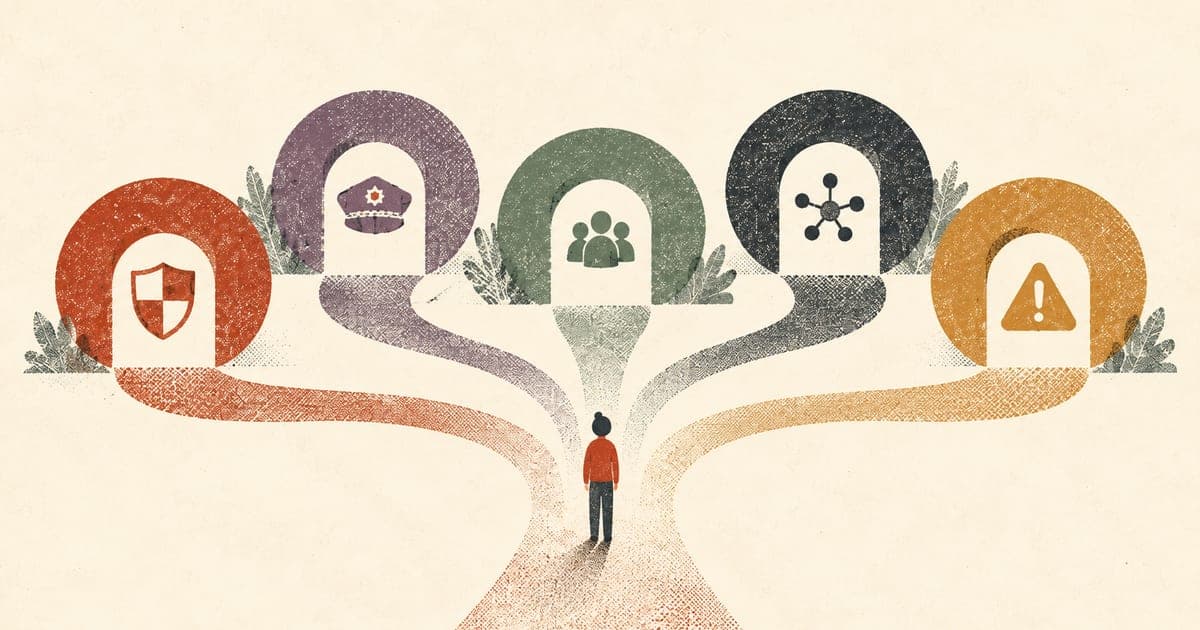
Use this as a quick mental model:
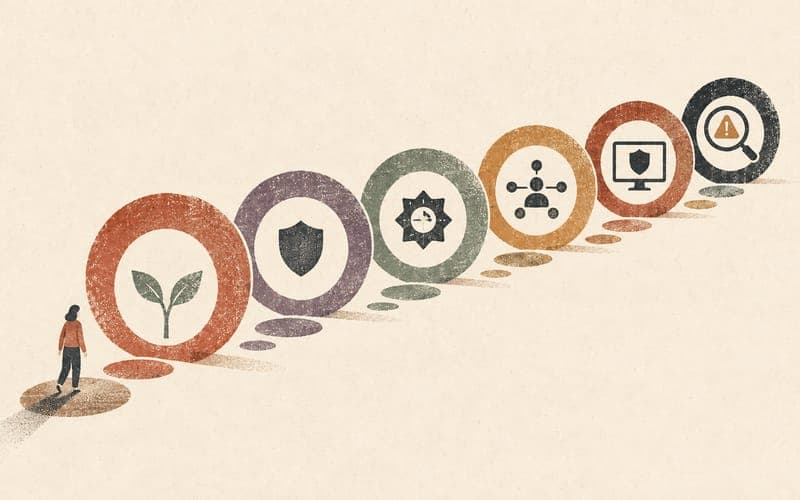
000If the first challenge in your house is not formal reporting but day-to-day device oversight, the better companion piece is Parental Controls, Monitoring Software, and Online Safety in Australia.
The right reporting pathway depends on the kind of harm, the age of the person targeted, and the urgency of the threat.
Most families do not need to memorise every agency.
They do need to remember:
That is usually enough to stop the first hour from turning into total confusion.
Share your thoughts and experiences with this resource.
Sign in to leave a comment
Continue with the complete online safety in australia collection.
Find templates, handouts, and clinical tools created for use in real psychology and allied health work.
A practical Australian guide to phishing, malware, trojans, fake giveaways, hacked accounts, and account theft, with simple family rules for links, downloads, passwords, and reporting.
A practical Australian guide to AI companions, chatbots, privacy, deepfakes, emotional dependence, and the risks of using AI for support, advice, or therapy-adjacent care.
A practical Australian guide to the under-16 social media rules, what platforms are age-restricted, what children can still use, where parents get confused, and what schools and clinicians should say about it.