

How to sell psychology resources online without looking spammy
A grounded guide to selling psychology resources with clear scope, useful previews, credible claims, and marketing that does not undermine clinical trust.
Educational information, not individual clinical, legal or regulatory advice. No independent review is identified for this article. Editorial policy and corrections.
Why clinicians worry about this in the first place
Many psychologists and mental health clinicians already have useful templates, handouts, and structured resources sitting inside their daily workflow. The hesitation is rarely about whether the material is helpful.
The hesitation is usually this:
How do I sell it without sounding pushy, generic, or unprofessional?
That concern is actually a good sign. It means you care about trust, tone, and professional identity. Those are the exact things that make a psychology resource store feel credible.
The companion guide to choosing psychology resources for Australian practice shows the same marketplace from the buyer's side: how clinicians assess relevance, usability, evidence, and local context.
The real goal is not hype: it is trust
People do not usually buy clinical resources because the copy sounds exciting. They buy because the listing feels clear, specific, and low risk.
When a product page performs well, it usually communicates:
- what the resource is
- who it is for
- how it is used
- what is included
- what quality signals support the purchase
That is very different from broad ecommerce language. Psychology buyers are often trying to solve a workflow problem, not chase novelty.
What makes a psychology resource page feel credible
Trust usually comes from a handful of practical signals:
- a clear title that says what the resource actually is
- a short description that explains when it is useful
- preview images or sample pages
- transparent pricing
- an identifiable creator profile
- calm, professional language
None of this is flashy, but it works. It lowers uncertainty.
How to write product descriptions that still sound like a clinician
When clinicians write listings, the biggest risk is drifting into one of two extremes:
- copy that is too vague and salesy
- copy that is too dense and clinical
The strongest descriptions usually land in the middle.
A simple structure that works
Try this pattern:
- 1Name the resource clearly.
- 2Explain the practice context.
- 3Say what is included.
- 4Clarify whether it is editable, printable, or ready to use.
- 5Mention the population, modality, or clinical focus it best suits.
This makes the listing easier to scan and easier to trust.
Phrases worth avoiding
These tend to weaken credibility:
- "game-changing"
- "must-have"
- "perfect for everyone"
- "instantly transforms your practice"
They sound like generic online marketing rather than a grounded description of a professional tool.
What stronger copy tends to do
Better copy sounds more like:
- "designed for psychoeducation with adolescents"
- "includes editable wording prompts for report drafting"
- "suited to clinicians who want a calmer session-ready handout"
- "works well as a printable or digital worksheet"
The goal is not to sound clever. It is to sound concrete.
Why previews matter more than persuasion
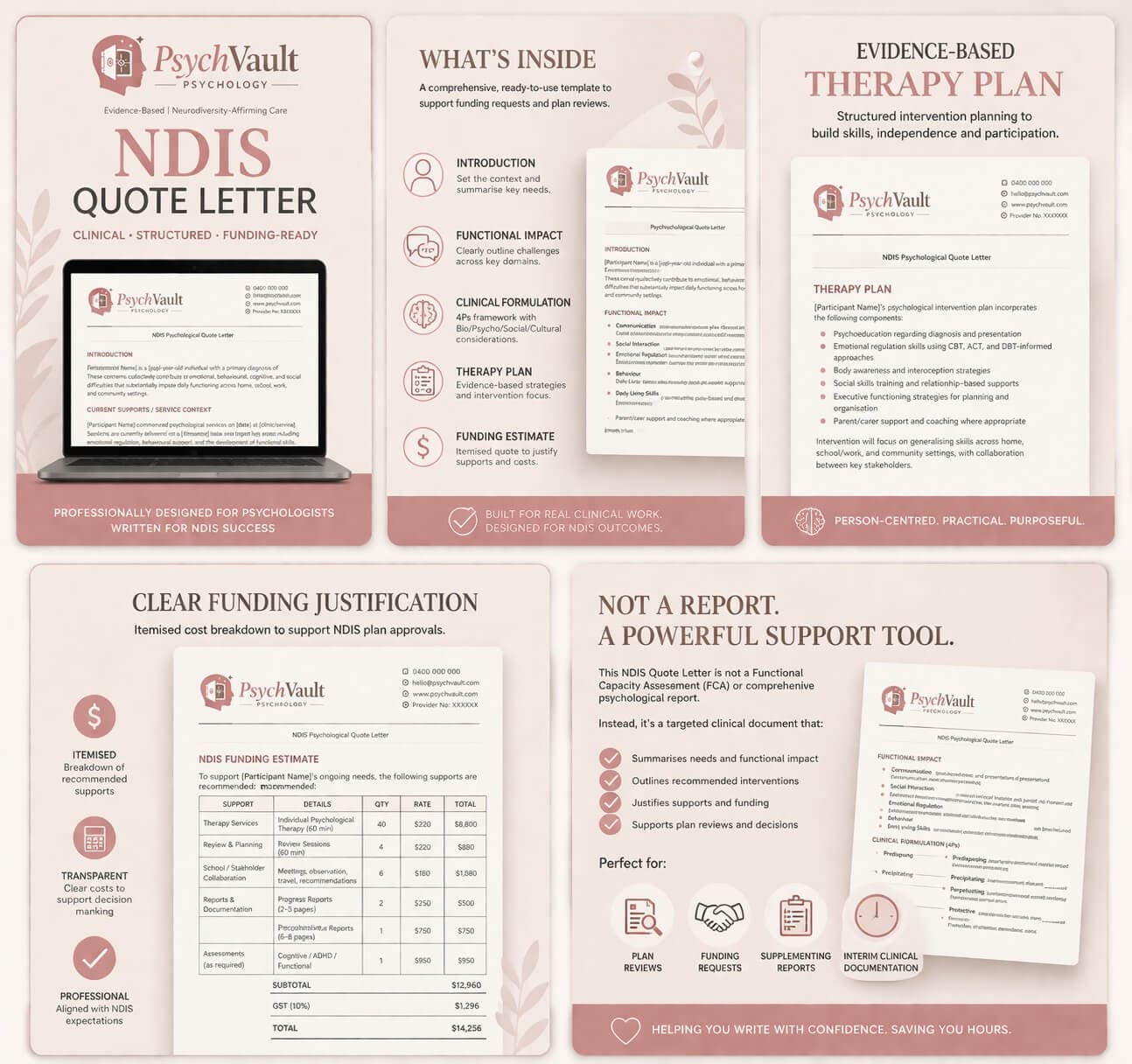
If you only improve one part of a listing, improve the preview experience.
Sample pages, thumbnails, and clean screenshots do more trust work than clever copy ever will. They show that:
- the resource really exists
- the formatting is polished
- the design quality is visible
- the buyer is not making a blind purchase
This matters especially for templates, psychoeducation handouts, and structured worksheets, where presentation strongly shapes perceived value.
What buyers are silently asking before they purchase
Most buyers will not message you first. They are judging the listing quietly. The questions running in the background are often:
- Is this actually clinician-made?
- Will this save me time?
- Is the language too generic?
- Does the formatting look clean?
- Will this fit the clients I work with?
Good listings answer these questions before the buyer has to ask them.
That is one reason public store pages matter. They let buyers see that the creator has a coherent body of work, not just one isolated listing.
Trust signals that usually improve conversion
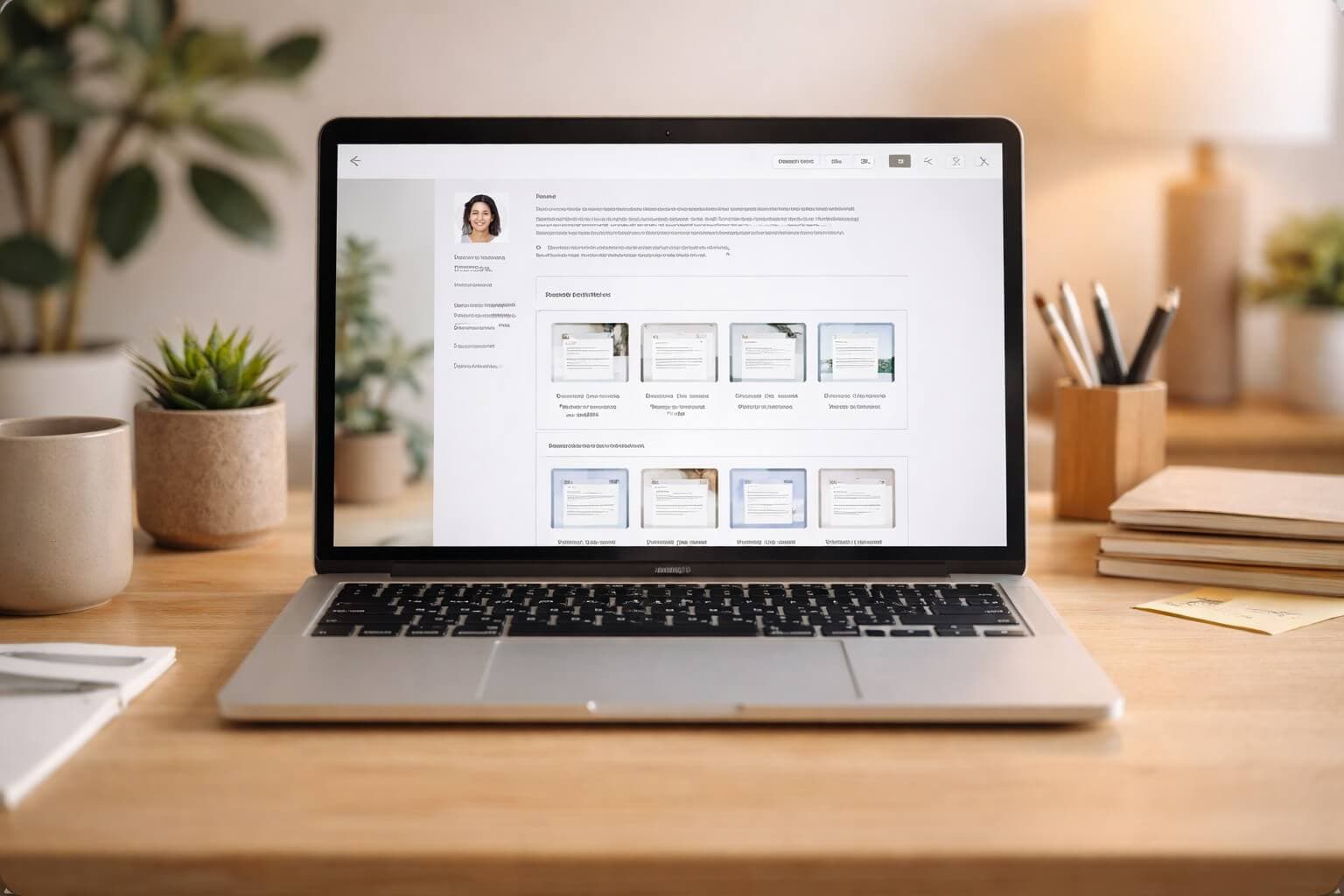
Here are the signals that often make the biggest difference:
- complete creator bio
- consistent branding across listings
- accurate categories and tags
- strong preview images
- realistic short descriptions
- reviews that accumulate over time
- a store that looks current and maintained
On PsychVault, those trust signals also help discovery because stronger listings tend to earn better engagement over time.
How content marketing can stay clinically aligned
One of the most effective ways to build a presence without sounding promotional is to publish genuinely useful content in the same areas your products address.
A creator selling report templates or psychoeducation handouts might write:
- a practical guide to NDIS report structure and functional wording
- an article on what makes psychoeducation handouts clinicians actually want to use
- a post about a clinical topic that sits adjacent to the resources they offer
This approach works because it demonstrates expertise before asking for anything. It also means that when a clinician searches for guidance on a clinical problem and finds a useful article, they arrive at your store with existing trust, not as a cold visitor encountering a product page for the first time.
The goal is to teach first and let the products support the teaching, not the other way around.
A simple check before publishing any listing
Before you hit publish, ask:
- 1Is the title specific?
- 2Would the short description make sense to a stranger?
- 3Are the preview images doing enough work?
- 4Does the page sound like a clinician wrote it?
- 5Does the listing reduce buyer uncertainty?
If the answer is yes, the page is usually in a much stronger place.
Final takeaway
You do not need loud marketing to sell psychology resources well. You need clarity, trust, and a store that feels aligned with how clinicians actually work.
When the resource is real, the copy is grounded, and the previews do their job, the page can convert without ever sounding spammy.
Discussion
Share your thoughts and experiences with this resource.
Sign in to leave a comment
Comments
Therapist Resources for Australian Clinicians
Continue with the complete therapist resources for australian clinicians collection.
Browse Therapy Worksheets
Find templates, handouts, and clinical tools created for use in real psychology and allied health work.
Continue exploring Therapist Resources for Australian Clinicians
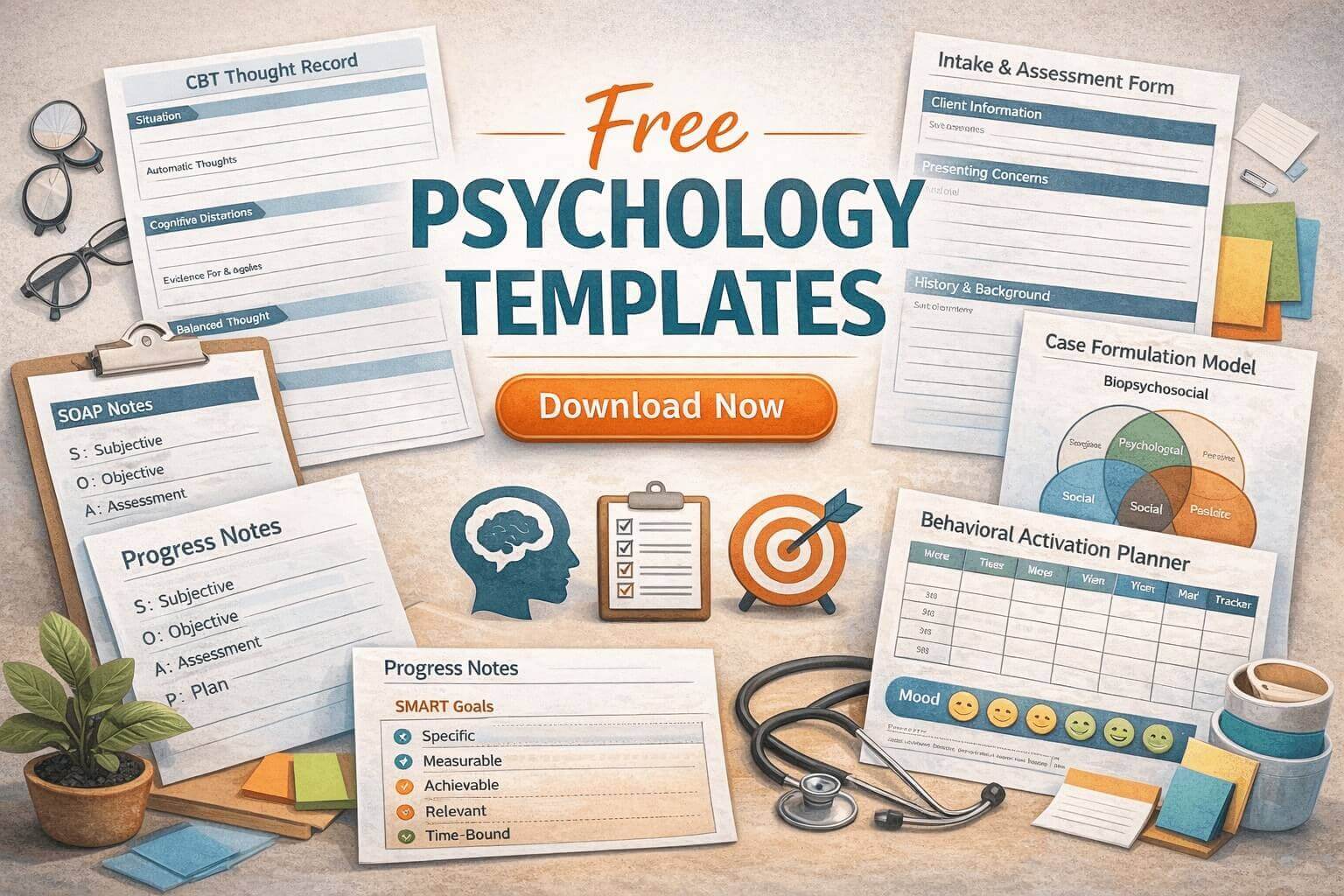
Find and assess free or downloadable psychology templates for therapy, intake, case formulation, behaviour support, progress notes, and NDIS documentation.

A practical guide to creating psychoeducation handouts for Australian practice: clear, credible, and designed for real clinical sessions.

A practical guide to moving from presenting concerns to differential diagnosis, DSM-5-TR or ICD-11 assessment, and a biopsychosocial and cultural 5Ps formulation.